11.2: Frameworks for Action
Reflection Summary: Frameworks for Action
This reading explains different frameworks for action in Ethnic Studies. These frameworks help people understand how to fight injustice and create social change. Ethnic Studies focuses on dismantling systems of oppression. These systems include racism, colonialism, patriarchy, and economic inequality. Activism plays an important role in this process.
The reading explains that Ethnic Studies is connected to community action. It is not only about studying history. It is also about helping communities challenge unfair systems. Many activists, scholars, and organizers use different frameworks to guide their work. These frameworks show different ways people can fight for justice.
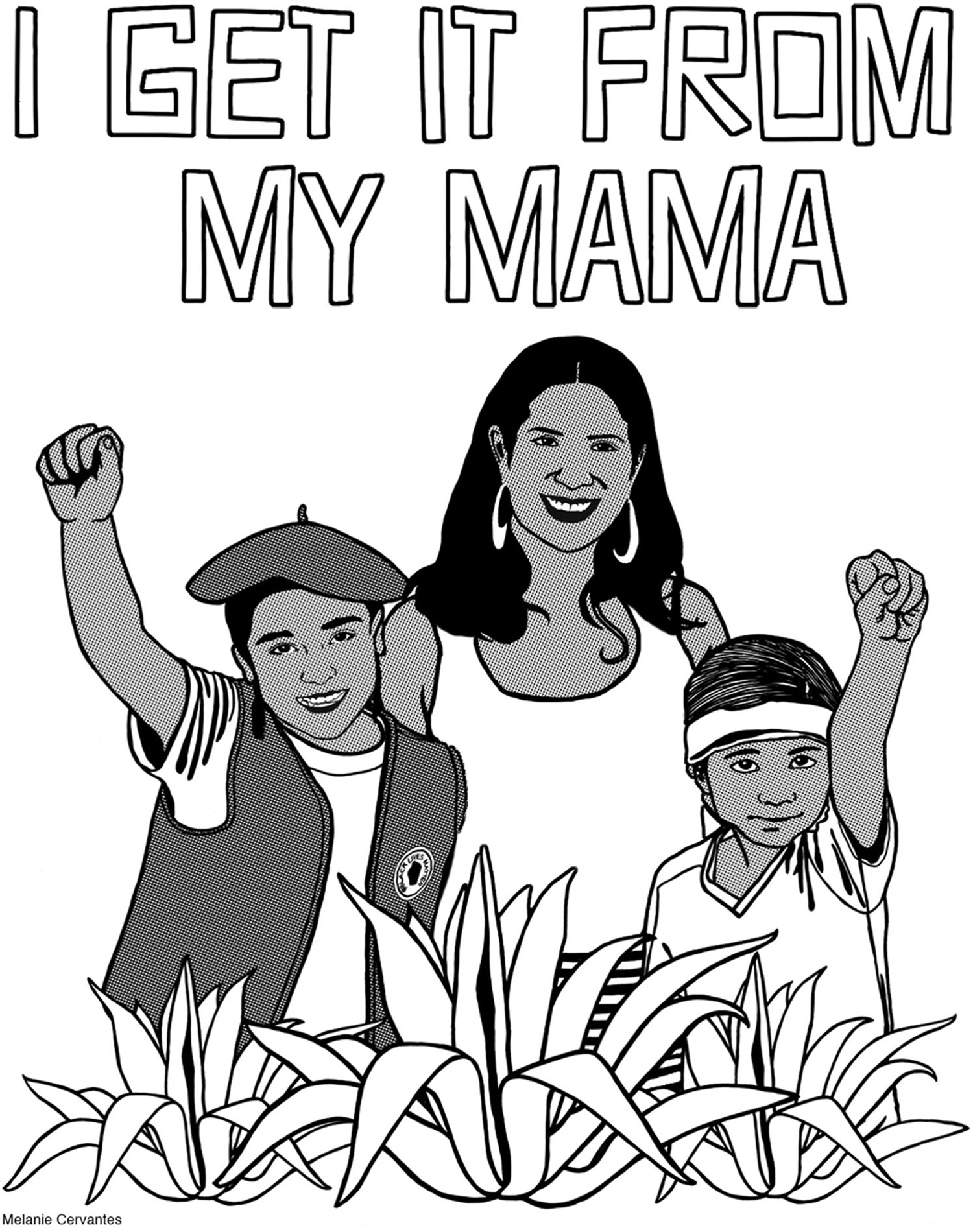
One important idea in the reading is intergenerational knowledge. This means that knowledge and experience are passed from older generations to younger generations. Social movements often grow stronger because people learn from the struggles of their parents and grandparents. Activists continue the work of earlier generations and build on their experiences.
Another important framework discussed in the reading is Indigenous sovereignty. Indigenous sovereignty refers to the right of Indigenous people to govern themselves. It also refers to their right to protect their land, culture, and traditions. Indigenous communities have a long history of resisting colonization and fighting for their rights.
Sovereignty is different from other forms of justice because it involves the relationship between Indigenous nations and governments. Many Indigenous communities have treaties with governments such as the United States. These treaties recognize their political status and land rights. However, these rights have often been ignored or violated.
Indigenous sovereignty is also connected to culture and spirituality. Indigenous communities work to protect their traditions, languages, and spiritual practices. These cultural elements are important for maintaining identity and self-determination. Protecting culture is part of protecting sovereignty.
The reading also talks about decolonization. Decolonization means challenging the systems created by colonization. Colonization involved taking Indigenous land and forcing foreign political systems onto Indigenous communities. Decolonization requires people to rethink history and power relationships.
Decolonization also involves restoring Indigenous rights and land. It is both a political and cultural process. It requires governments and societies to recognize historical injustice and support Indigenous self-determination.
Another important framework discussed in the reading is intersectionality. Intersectionality helps people understand how different forms of oppression overlap. The term intersectionality was created by Kimberlé Crenshaw in 1989. She used it to explain the unique discrimination faced by Black women.
Black women often experience discrimination based on both race and gender. However, legal systems sometimes fail to recognize this combined discrimination. Intersectionality helps explain these complex experiences.
Intersectionality is now used widely in social justice movements. It helps people understand how race, gender, sexuality, immigration status, and other identities interact. Some individuals experience multiple forms of oppression at the same time. Intersectionality encourages activists to consider these overlapping experiences.
The reading also discusses queer and trans of color critiques. These frameworks focus on the experiences of LGBTQ+ people of color. Queer and trans people of color often face discrimination based on race, gender identity, and sexuality. Their struggles are an important part of social justice movements.
Historical figures such as Sylvia Rivera and Marsha P. Johnson played important roles in LGBTQ+ activism. They were leaders in fighting for the rights of transgender and queer people. Their activism helped create the Pride celebrations that many people recognize today.
The reading also describes Ballroom culture. Ballroom culture developed in cities among Black and Latinx LGBTQ+ communities. It includes dance, fashion, and performance competitions called “balls.” These events created safe spaces for people who were often rejected by mainstream society.
Ballroom culture has influenced popular culture in many ways. Dance styles and fashion from Ballroom culture have appeared in music, television, and movies. However, many participants in Ballroom culture still face economic struggles and housing insecurity.
Another framework discussed in the reading is disability justice. Disability justice focuses on the rights and dignity of people with disabilities. Disabilities can be physical, emotional, or cognitive. Some disabilities are visible, while others are invisible.
People with disabilities have often faced discrimination and exclusion. Disability justice movements work to promote accessibility, equality, and representation. Activists emphasize that people with disabilities should lead their own movements.
The organization Sins Invalid created a disability justice framework with ten important principles. One principle is intersectionality. Disability justice recognizes that people with disabilities may also experience other forms of oppression.
Another principle is centering the leadership of the most affected individuals. This means that people with disabilities should have the strongest voice in disability justice movements. Their experiences and perspectives are important.
Disability justice also challenges capitalism. Capitalism often values people based on productivity and economic output. People with disabilities may be unfairly judged by these standards. Disability justice movements emphasize that human worth is not based on productivity.
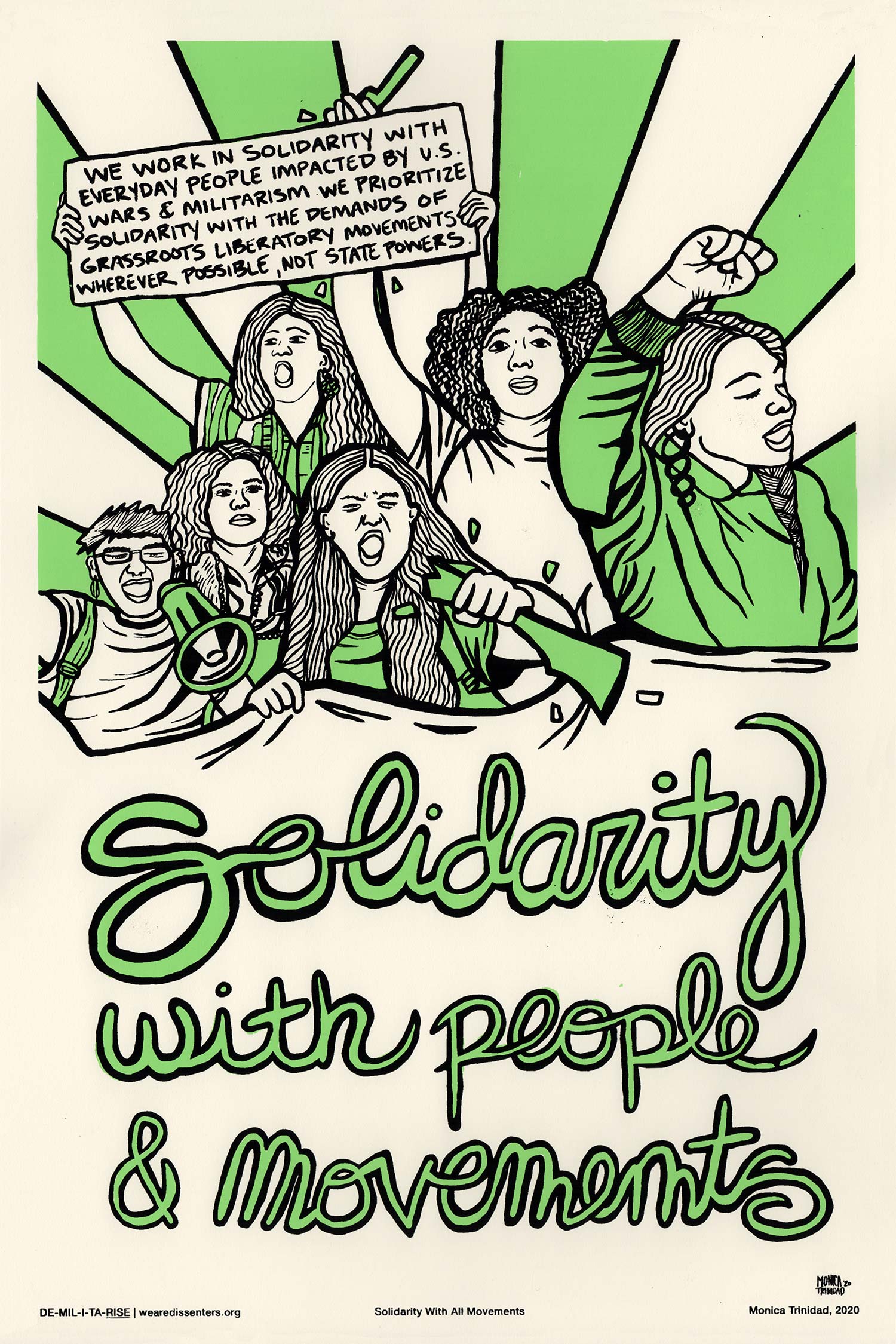
Another principle is cross-movement organizing. Disability justice movements work with other movements, including racial justice and gender justice movements. These collaborations strengthen the fight for equality.
The framework also emphasizes interdependence. Many societies value independence and view dependence as weakness. However, disability justice recognizes that all people depend on each other in different ways. Interdependence allows communities to support each other.
Another concept discussed in the reading is allyship. Allies are people from dominant groups who support marginalized communities. Allies try to understand their own privilege and work to challenge injustice.
Allies can take many actions. They can educate themselves about history and inequality. They can speak out against discrimination. They can support people who experience bias or injustice.
However, allyship should not focus on personal recognition. True allies do not seek praise or validation. Instead, they focus on supporting marginalized communities.
The reading also introduces the concept of accomplices. Accomplices go beyond basic allyship. They take more direct and sustained action against systems of oppression. For example, white people may actively work against racism. Men may work to challenge patriarchy. Straight people may work to support LGBTQ+ rights.
Another related term is co-conspirator. Co-conspirators actively work alongside marginalized communities. They may take risks to challenge unfair systems. This form of solidarity requires strong commitment and collaboration.
Digital activism is another framework discussed in the reading. Digital activism uses the internet and social media to organize movements and spread information. Technology has changed the way activism works.
The internet allows people to communicate quickly across long distances. Social media platforms allow activists to share ideas, organize protests, and build communities. Digital activism has played a role in many movements around the world.
For example, the Arab Spring involved protests organized through social media. Activists used digital tools to challenge authoritarian governments. Social media also helped spread information about these protests globally.
In the United States, the Occupy Wall Street movement also used social media. This movement protested economic inequality and corporate power. Activists used online platforms to share messages and organize demonstrations.
Digital activism has advantages because it spreads information quickly. However, some critics say that social media activism can become “slacktivism.” Slacktivism refers to people posting online but not taking real action in the community.
Even with these criticisms, digital activism remains an important tool. Hashtags and online campaigns can raise awareness about social issues. They can also connect people who want to support social movements.
The reading also discusses artistic resistance. Art has always been an important tool in social movements. Artists use music, poetry, paintings, and performances to express political ideas.
Art can communicate powerful messages about injustice and inequality. It can also inspire people to take action. Artistic expression often helps people understand social problems in emotional and creative ways.
Murals, posters, and sculptures are common forms of activist art. These artworks can transform public spaces and spread messages to large audiences. Street art often challenges authority and questions social systems.
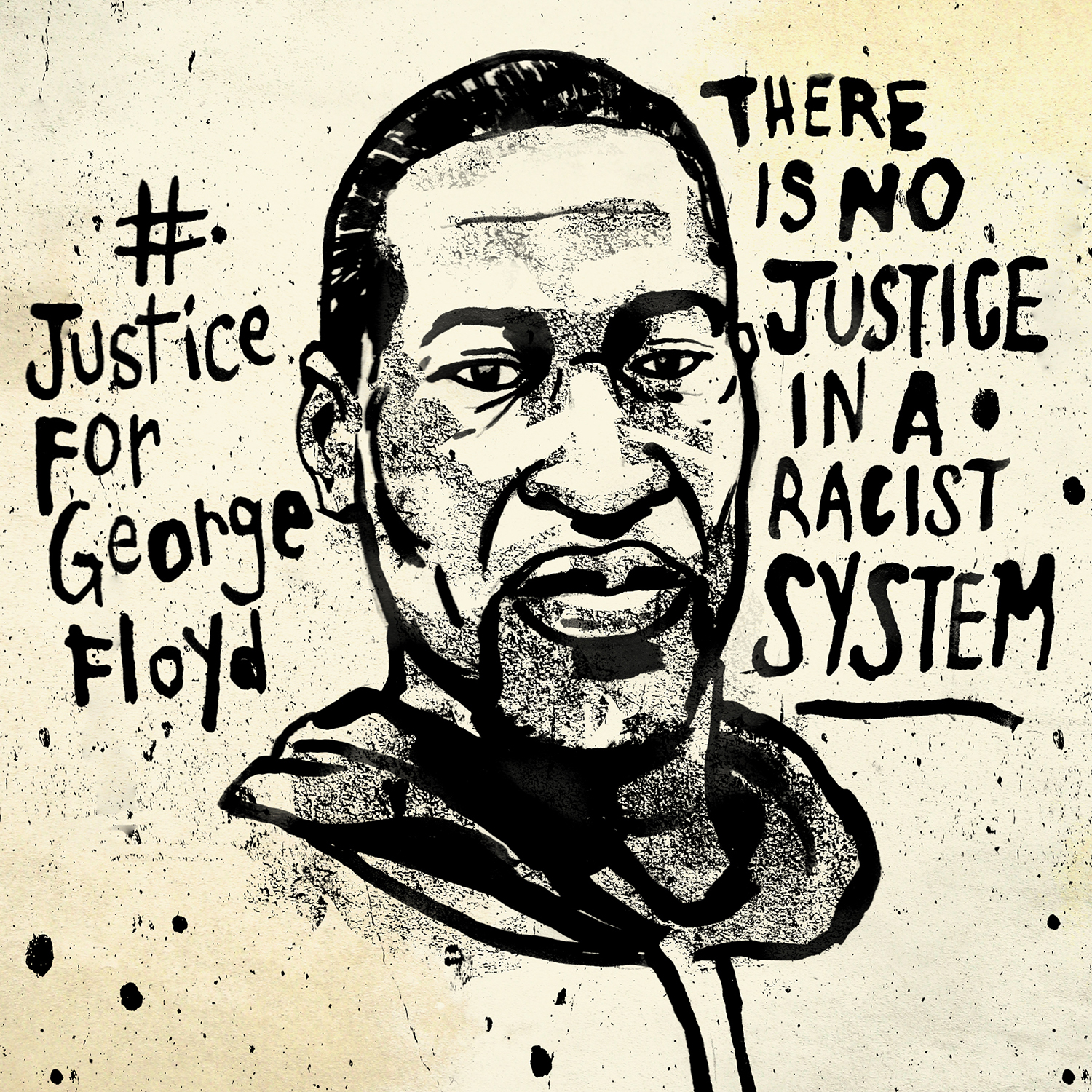
The reading also discusses monuments and statues. Some monuments celebrate historical figures connected to oppression. For example, statues honoring Confederate leaders in the United States represent a history connected to slavery.
Many activists argue that these monuments should be removed because they celebrate racist systems. In Canada, activists protested statues connected to colonial history after mass graves of Indigenous children were discovered near residential schools.
Art can also communicate complex ideas through symbolism. Images can represent emotions, struggles, and social realities. Artistic activism encourages people to think critically about society.
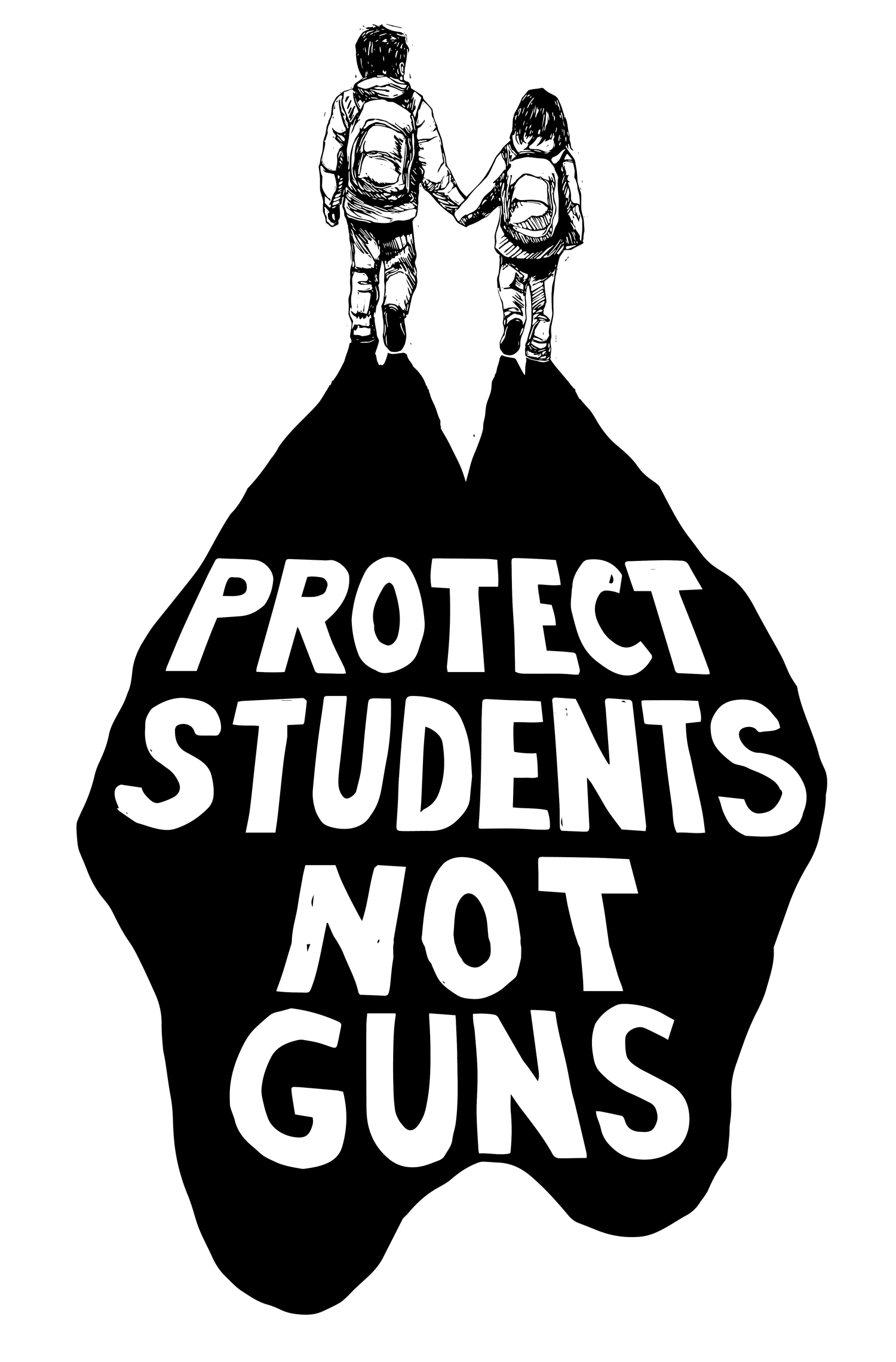
Another example mentioned in the reading is a poster about school shootings. The image shows students walking with a large shadow behind them. This shadow represents fear and danger. The artwork communicates how violence affects young people.
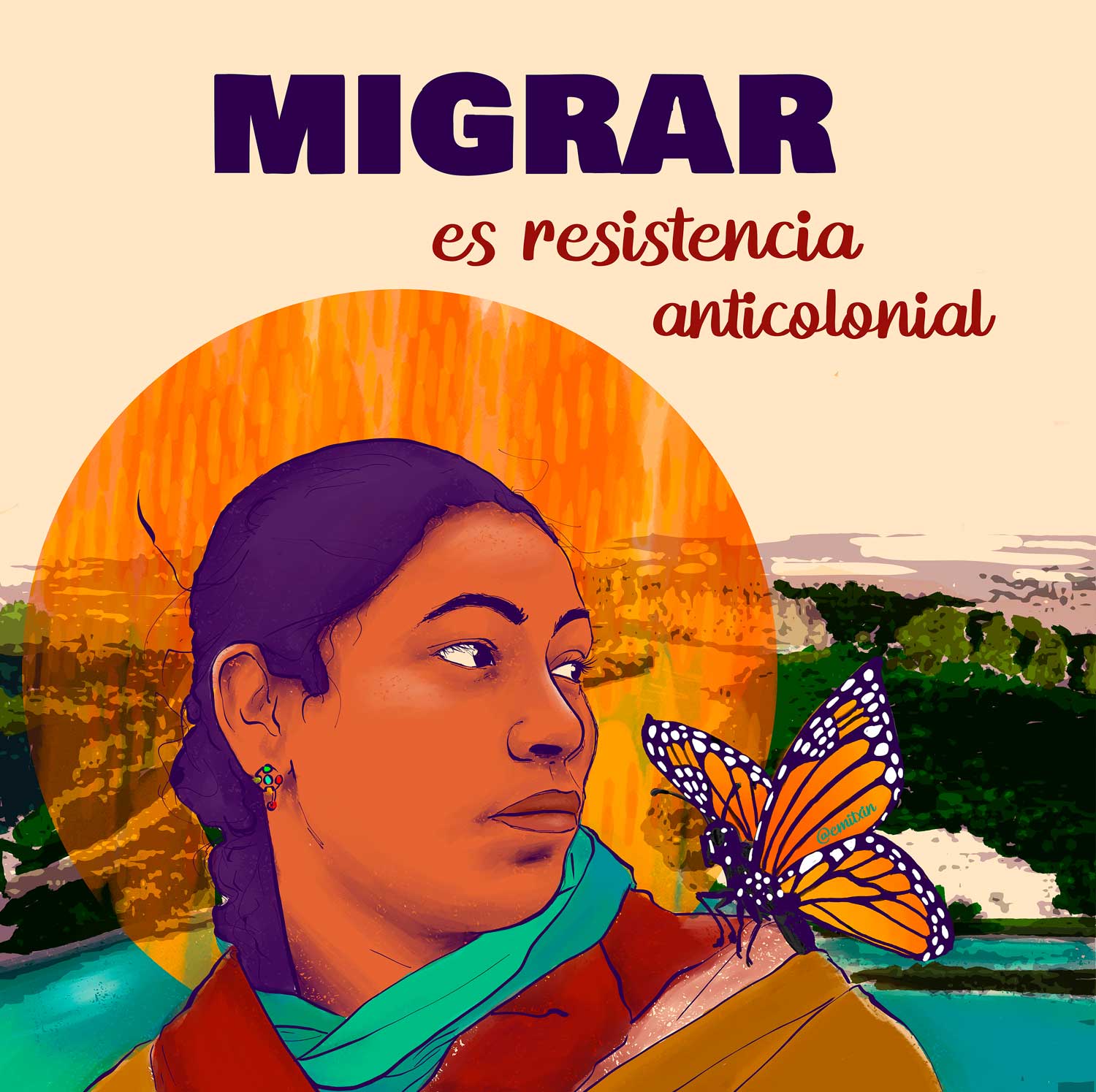
Art can also represent migration and resistance. One example in the reading shows a Latina migrant woman with a monarch butterfly. The artwork suggests that migration is a form of resistance against colonial systems.
Art has always been connected to activism. Governments and authoritarian leaders sometimes try to control artists and scholars. Creativity can challenge authority and reveal injustice.
Art helps communities remember history and imagine better futures. Cultural expression strengthens collective identity and shared struggle.
Overall, the reading shows that there are many ways to fight injustice. Indigenous sovereignty, intersectionality, disability justice, allyship, digital activism, and artistic resistance are all frameworks for action.
Each framework highlights different experiences and perspectives. Together, they help activists understand complex systems of oppression.
In my reflection, I think this reading shows the importance of collective action. Social change often requires many people working together. Different movements and frameworks can support each other.
I also think the reading shows that activism takes many forms. Some people organize protests. Others create art or use technology to spread messages. All of these actions can contribute to social change.
Another important lesson is that justice movements must include many voices. People with different experiences bring important knowledge and perspectives. Listening to marginalized communities is essential for creating meaningful change.
Finally, this reading reminds us that activism continues today. Social justice movements are still working to address racism, inequality, and oppression. New generations can learn from these frameworks and continue the struggle for justice.
In conclusion, this chapter explains many important frameworks for action in Ethnic Studies. These frameworks help people understand how to challenge oppression and support social movements. Through solidarity, activism, and community action, people can work toward a more just and equitable society.



Ethnic Studies in Action
Indigenous Sovereignty
Queer and Trans of Color Critiques and Intersectionality
Disability Justice Framework
Allies, Accomplices, and Co-Conspirators
Digital Activism
Artistic Resistance

No comments:
Post a Comment