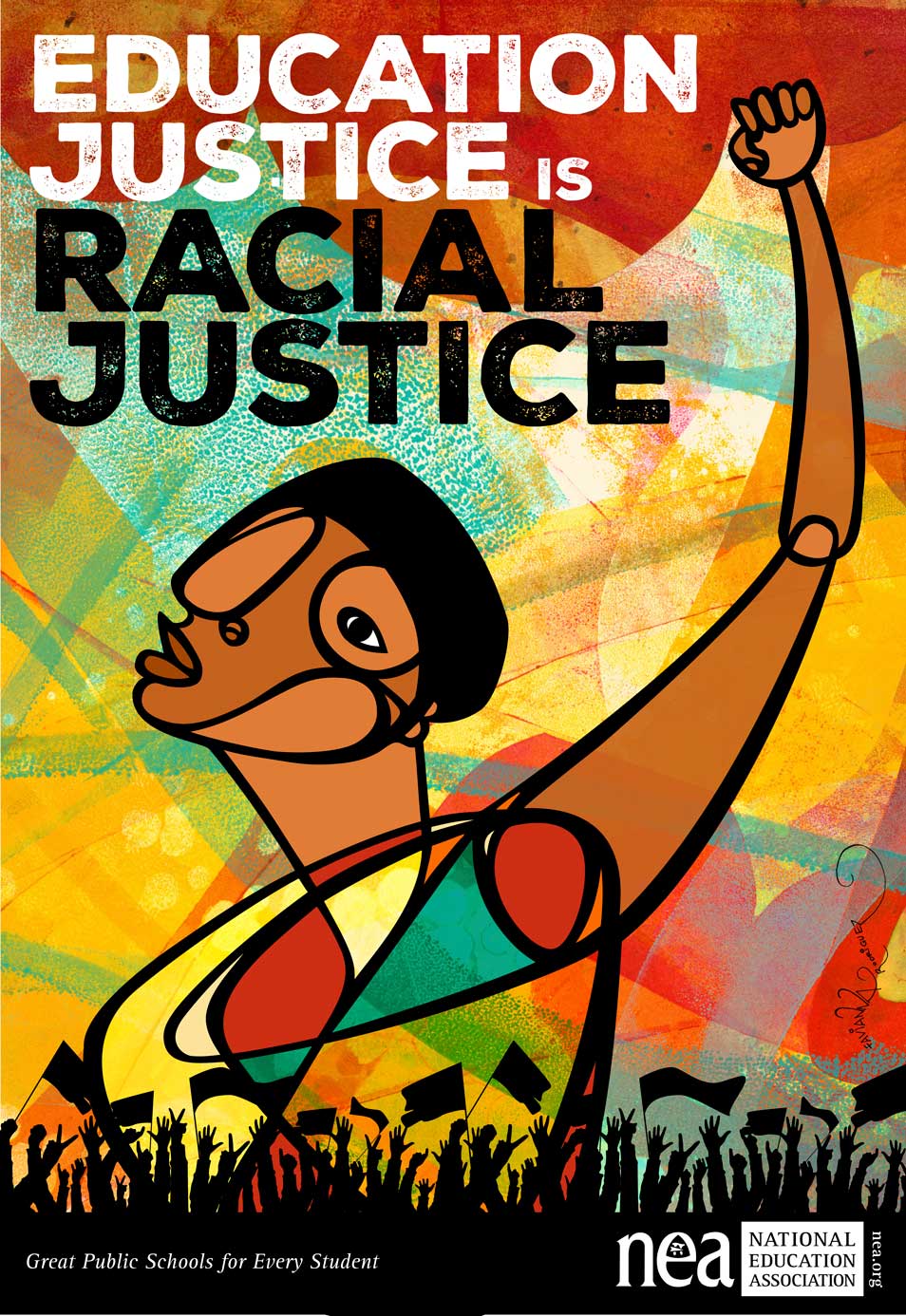
Why Ethnic Studies
As Ethnic Studies has recently become a requirement for the California State University (CSU) system, and soon the University of California (UC) system, California Community Colleges (CCC), and California high schools, more attention has been placed on Ethnic Studies. I find that most of my community college students don’t know what Ethnic Studies is and may have misconceptions about this discipline that’s over 50 years old. We hope that this Open Educational Resource (OER) put together by six Ethnic Studies instructors will illuminate some of the misunderstandings and mischaracterizations of our beloved discipline. We also hope that this resource will contribute to a new generation of students who will be inspired by the histories, cultures, philosophies, and stories represented in this resource.
Perhaps due to fear or ignorance, or sometimes straight up racism, for as long as Ethnic Studies has existed, there have been efforts to ban, diminish, criticize or censure our programs and curriculum. We’ve been accused of being “Mickey Mouse” or told that Ethnic Studies is not a serious or viable discipline. We’ve also been accused of indoctrinating our students and of spreading hate, or that we are anti-white.
Such attacks on Ethnic Studies teachers, students, classrooms, and curricula are usually baseless, rooted in the very systems of oppression we teach our students about: white supremacy, settler colonialism, and the intersections of racial capitalism, imperialism, and patriarchy. For practitioners and students who’ve actually taken an Ethnic Studies class, such allegations are confusing, because many of us have found Ethnic Studies to be sites of empowerment, love, joy, and discovery, having made life-changing impacts for generations of students. That’s why it’s no accident that Ethnic Studies became the first and only legislatively backed general education requirement in California. As a result, Ethnic Studies courses will be taught in high schools, community colleges, and the 4-year university systems in this “minority-majority” state.
The advocacy for the Ethnic Studies requirement spans decades of organizing by students, teachers and professors who set up meetings, conversations, wrote letters, developed curriculum, and more, on top of having full-time positions or working multiple part-time jobs, caring for their families, writing books and articles, and/or organizing in various communities. Legislation such as AB 1460 and AB 101 establishing the Ethnic Studies requirement in the CSUs and high schools finally passed because we had multiple studies and data to prove the efficacy of our curricula: raising student attendance, graduation, and success rates, including in classes other than Ethnic Studies. Ethnic Studies has been a proven strategy to tackle racial inequity in schools. More importantly, studies expressed the personal impact of Ethnic Studies on our students’ sense of identity and belonging, highlighting the lasting impression of seeing oneself in the curriculum.
Ethnic Studies came out of struggle and for the past five decades our discipline has always been in a place of contention, so whatever iteration of hate or misjudgement is not new. For those familiar with Ethnic Studies, we know the powerful impact our classroom and curricula have and we have influenced both personal and larger societal, cultural, and political transformations. Obviously, this scares people who have invested in the status quo and internalized ideologies based on hierarchical structures of social status, and access to power and resources.
For many of us, Ethnic Studies is our lifeline. Ethnic Studies saved us. Ethnic Studies is home. And we are not scared easily. We know too well how precious our curricula and classrooms can be and we will not be intimidated nor silenced. We understand that too much is at stake.
Ethnic Studies classrooms, and often our offices after class, have been small spaces of sanctuary, exploration of emotions, rediscoveries of memories we’ve suppressed, for both the instructors and our students. A class like “Intro to Ethnic Studies” can be a site of acknowledgement for the denigrating treatment students receive at work, or they are finally given space to reflect on the internalized effects of colorism on their self-esteem, or students may express cathartic anger that the racially segregated neighborhoods they grew up in have been designed with purpose and targeted for police surveillance and violence.
I value the discussions in class and with students one-on-one within the small quarters of my office or classroom, where they express and address challenges that come with being undocumented, for example, or being mixed race, experiencing abuse, or navigating their mental health. I am especially inspired when witnessing each student’s process of uncovering the personal right along with the political.
Reflection Summary: Why Ethnic Studies
Ethnic Studies is an important field of study. It helps students understand race, culture, identity, and history. Many students enter college without knowing what Ethnic Studies really is. Some students also have misunderstandings about this subject. This reflection explains why Ethnic Studies matters and why it has become a required course in California.
Ethnic Studies is not a new subject. It has existed for more than 50 years. It began through struggle and activism. Students and educators demanded courses that reflected their lived experiences. They wanted to learn histories that were not included in traditional textbooks. Ethnic Studies was created to challenge dominant narratives and center the voices of historically marginalized communities.
Many community college students do not know what Ethnic Studies is. Some believe it is not serious or academic. Others think it is only about race or politics. These ideas are misconceptions. Ethnic Studies is an interdisciplinary field. It combines history, sociology, literature, political science, and cultural studies. It asks students to think critically about society and power.
Ethnic Studies has often been criticized. Some people claim it spreads hate or division. Others say it is anti-white or promotes indoctrination. These accusations are usually not based on real classroom experiences. They often come from fear or lack of understanding. In some cases, they are rooted in racism.
These attacks are not new. Ethnic Studies has always faced resistance. This resistance comes from systems of power. These systems include white supremacy, settler colonialism, racial capitalism, imperialism, and patriarchy. Ethnic Studies challenges these systems. Because of this, it is often seen as threatening.
For students and teachers who experience Ethnic Studies firsthand, the accusations do not make sense. Many people describe Ethnic Studies classrooms as spaces of empowerment. They are spaces of learning, healing, and growth. Students often feel seen and valued. They learn that their stories matter.
Ethnic Studies became the first and only legislatively backed general education requirement in California. This did not happen by accident. It happened after decades of organizing. Students, teachers, and professors worked very hard. They held meetings. They wrote letters. They developed curriculum. They organized in their communities. Many did this while working full-time or caring for their families.
Laws such as AB 1460 and AB 101 made Ethnic Studies a requirement in the CSU system and California high schools. These laws passed because there was strong evidence. Studies showed that Ethnic Studies improves student outcomes. Students had better attendance. Graduation rates increased. Students performed better in other classes as well.
Ethnic Studies helps address racial inequity in schools. It supports students who often feel invisible in traditional education. Seeing oneself in the curriculum is powerful. It helps students build confidence. It strengthens their sense of identity and belonging. These effects last beyond the classroom.
California is a minority-majority state. This means most people belong to racial or ethnic minority groups. Ethnic Studies reflects this reality. It helps students understand the diverse communities they live in. It prepares them to engage respectfully with others. This is important for schools, workplaces, and society.
Ethnic Studies is deeply personal for many people. For some, it is a lifeline. It offers language to describe lived experiences. It helps students understand their struggles in a larger social context. This can be life-changing.
Ethnic Studies classrooms often become spaces of sanctuary. Students feel safe sharing their stories. They discuss experiences of discrimination and exclusion. They reflect on memories they may have suppressed. These discussions are emotional but meaningful.
In an Ethnic Studies class, students may talk about unfair treatment at work. They may discuss colorism and how it affects self-esteem. Some students express anger about racially segregated neighborhoods. They learn that these neighborhoods were often designed intentionally. They were targeted for surveillance and violence.
These realizations can be difficult. They can also be empowering. Students begin to understand that their struggles are not personal failures. They are connected to larger systems. This understanding can reduce shame and isolation.
Ethnic Studies also addresses issues like immigration status. Students may talk about being undocumented. Others may discuss being mixed race. Some share experiences of abuse or mental health struggles. These conversations are often the first time students feel heard.
The instructor’s role is very important. Ethnic Studies teachers create supportive environments. They listen carefully. They guide discussions with care. They respect each student’s journey. This builds trust.
The classroom is not the only space where learning happens. Office hours also matter. One-on-one conversations allow deeper reflection. Students can ask questions they are afraid to ask in class. They can connect personal experiences to course concepts.
Ethnic Studies connects the personal and the political. Students learn that their lives are shaped by history and policy. This connection helps them see themselves as part of society. It also helps them understand their ability to create change.
Many students leave Ethnic Studies courses feeling inspired. They gain critical thinking skills. They learn to question dominant narratives. They become more empathetic. They also become more confident in their identities.
Ethnic Studies does not teach hate. It teaches understanding. It encourages dialogue, not division. It helps students see complexity rather than stereotypes. It values multiple perspectives.
People who oppose Ethnic Studies often fear change. They may be invested in maintaining the status quo. Ethnic Studies challenges hierarchical systems. It questions who has power and why. This makes some people uncomfortable.
However, discomfort can be productive. It can lead to growth. Ethnic Studies invites students to sit with difficult truths. It encourages reflection rather than avoidance.
Ethnic Studies is about love and care. It is about community. It is about honoring ancestors and histories. It is about imagining more just futures.
For many educators, Ethnic Studies is not just a job. It is a commitment. They continue teaching despite criticism. They know the impact of their work. They have seen students transform.
Ethnic Studies saved many people. It gave them language, confidence, and purpose. It helped them feel less alone. It gave them a sense of home.
Because so much is at stake, Ethnic Studies educators are not easily intimidated. They understand the value of their classrooms. They will continue teaching and advocating. They know future generations depend on this work.
Ethnic Studies is more than a requirement. It is an opportunity. It invites students to learn deeply. It encourages self-discovery. It builds connections across difference.
In conclusion, Ethnic Studies matters because it tells the truth. It challenges injustice. It supports students. It creates spaces of healing and empowerment. It prepares students to understand the world and their place in it. Ethnic Studies is not just a subject. It is a movement. It is a home.