10.7: Alternative Solutions
eflection Summary: Alternative Solutions
This section gave me hope after reading so many difficult parts of this chapter. The earlier sections talked about prisons, policing, racism, punishment, and the school-to-prison pipeline. This section is different because it focuses on solutions. It asks an important question: if policing and prisons cause so much harm, then what can society do instead? I think this is one of the most important parts of the chapter because it does not only describe problems. It also offers ideas for change.
One important idea in this section is that we need to learn from history. The chapter says we should think about policing before colonization of the Americas and how policing was later used to support colonization. This means that modern policing is not the only possible way to create order or safety. It also means that we should question the systems we have today. Just because police and prisons exist now does not mean they are the best answer.
The reading talks about Tribal Police on Native American reservations. It explains that Native Americans were not originally allowed to take part in policing their own communities. Later, some Native people became Tribal Police, but many community members did not trust them because they were seen as representatives of the U.S. government. They sometimes had to monitor their own people and report on them. This caused pain and conflict. This example shows that policing has often been used as a tool of control, even inside Native communities. It also shows that government systems can divide people and create mistrust.
Another important part of this section is Dr. Victor Rios’s idea of the Youth Control Complex. This theory explains how many institutions work together to criminalize young Black and Latinx boys. These institutions include schools, police, probation systems, and other authorities. Instead of helping youth grow, these systems often watch them, punish them, and treat them like future criminals. I think this is a powerful idea because it shows that the problem is not only one teacher, one officer, or one school. It is a whole system that works against some young people.
Rios does not only describe the problem. He also offers a solution called the Youth Support Complex. This idea stood out to me the most in this section. A Youth Support Complex means creating a system that supports young people instead of punishing them. It means giving them mentors, academic support, cultural programs, and affirmative opportunities. It means helping young people feel respected and valued. I think this is a much healthier way to think about youth.
Rios says that when poor, young, Black and Latinx boys make mistakes, they should have a chance to learn and grow instead of being pushed into prison. I strongly agree with this. Young people make mistakes because they are still learning. If society only punishes them, then it takes away their chance to change. But if society guides them, teaches them, and supports them, then they can become stronger and more successful.
Another powerful line in this section is the idea that “freedom is work.” This means that staying free from prison, resisting the system, and building a better life takes effort. It also means that society must work to create real freedom for young people. Freedom is not only about being outside of jail. It is also about having support, dignity, and opportunity.
Rios also says that policymakers need to take risks if they truly want to support youth. I think this is true. It is easier for leaders to continue punishment because punishment is already built into the system. But if they want real change, they must try new ideas. They must invest in people, not only in police or prisons. That takes courage.
Another important point from Rios is that schools and justice institutions should respect young people’s dignity and freedom. This is very important to me. Many systems treat marginalized youth like problems to control. But Rios says young people should be part of building the programs that support them. They should have a voice. They should help shape the solutions. This makes sense because young people know their own experiences. When adults only make rules for them without listening, the programs may fail.
I also liked the sentence that says youth need “a stage with good props, good lighting, and a supportive audience.” This is a beautiful way to explain support. It means youth need the right environment to succeed. They need encouragement, resources, and people who believe in them. When society gives young people those things, they have a better chance to grow.
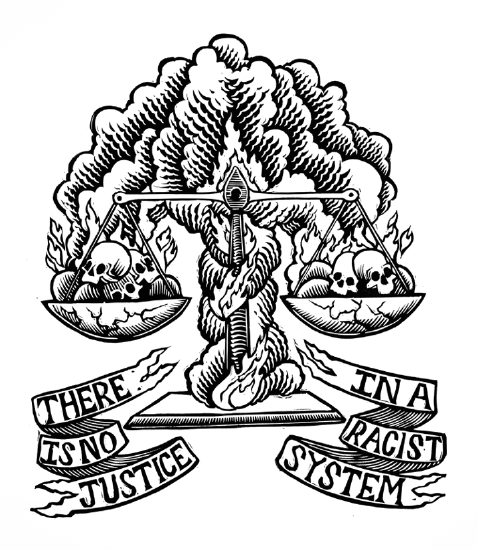
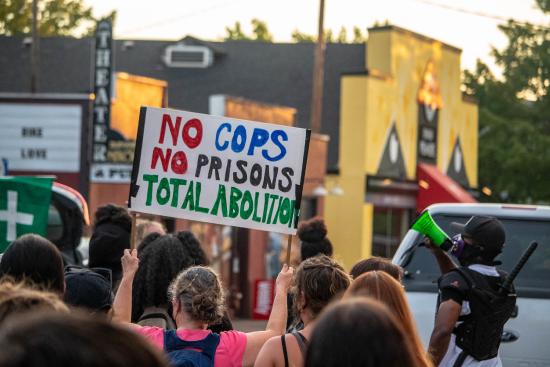
The reading then moves to the topic of prison abolition. Angela Davis explains that prison abolitionists are often called dreamers or unrealistic people. Some people think abolition means ignoring crime or letting people do anything they want. But the reading explains that abolition is much deeper than that. Abolition means creating a different kind of society, one that does not depend on cages and punishment as the main solution.
This section asks readers to think carefully about why abolition seems so impossible to many people. The reading suggests that this reaction is connected to race and power. Many people have become used to a system where certain communities are heavily policed and incarcerated. So when someone says prisons should be abolished, it sounds radical. But maybe it only sounds radical because society has become too comfortable with punishment.
The chapter compares this to other ideas that once seemed impossible, such as direct government financial help during the COVID-19 pandemic. The point is that ideas first called unrealistic can later become real. This made me think that change often starts with imagination. People have to imagine something better before they can build it.
The book Abolition for the People is mentioned in this section. It asks questions like: What is abolition? Is it practical? What does it look like in real life? I think these are important questions because many people misunderstand abolition. The reading explains that abolition is not just about ending prisons and police. It is also about creating new systems based on care, justice, community, and dignity.
Robin D. G. Kelley explains that abolition means dismantling harmful systems and moving money toward social and economic resources. This includes things like housing, education, healthcare, and restorative justice. I think this is one of the clearest definitions in the section. It shows that abolition is not about doing nothing. It is about doing something better.
I also found it meaningful that the reading talks about the Black Panther Party. The chapter shows that abolitionist ideas are not new. The Black Panther Party was formed to challenge police violence, but it also created community programs such as free breakfast for children, education, and know-your-rights workshops. This is important because it shows that alternatives already exist. Communities have long created ways to care for each other without depending only on the police.
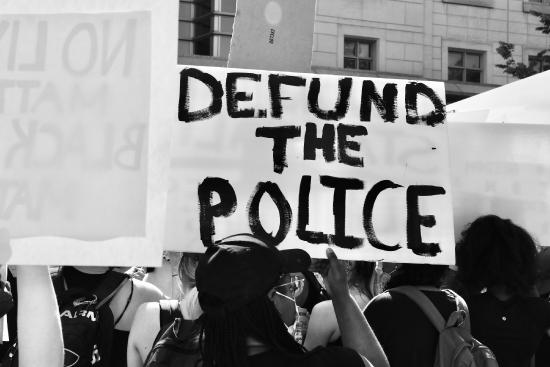
The section then discusses Defund the Police. Mariame Kaba argues that police violence cannot be solved by small reforms alone. She says the only real way to reduce police violence is to reduce contact between police and the public. Her idea is to cut the number of police and reduce police budgets. Then that money can be redirected to housing, education, jobs, health care, and mental health services.
At first, some people may think defunding police means abandoning communities. But the reading clearly says that is not the goal. The goal is to build safer communities by investing in what people really need. If people have stable homes, good schools, healthcare, and support, then many problems can be prevented before they grow.
Kaba also explains that police reform has often failed. New rules and training programs do not always stop violence because police can still break the rules. This made me think that maybe the problem is not only about a lack of training. Maybe it is about the system itself and the power it gives. That is why abolitionists want deeper changes.
Another strong point in this section is the idea of using community care workers for mental health crises and using restorative justice for harm and conflict. These solutions sound more humane than sending armed police into every situation. Not every problem is a crime problem. Some situations need care, mediation, and support instead of force.
The next part of the chapter focuses on alternatives to school police. This was especially important because earlier sections showed how school police contribute to the school-to-prison pipeline. Now this section gives examples of change. In Oakland, the school board voted to eliminate the school police department and reinvest millions of dollars into a new safety plan. This happened after years of youth organizing and advocacy. I think this is a powerful example of community action leading to policy change.
Other cities like Los Angeles, Seattle, and Denver have also reduced school police funding. This shows that alternatives are not only ideas on paper. Some places are already trying them. The reading suggests using non-punitive discipline and hiring more counselors, support staff, and trained educators. I think this is a much better use of school resources. Students need adults who help them, not only officers who punish them.
The chapter also talks about community schools. These schools offer wraparound services like mental health care, tutoring, counseling, medical help, and support for families. This idea really stood out to me because it looks at the whole student, not just behavior or test scores. In places like Salt Lake City and Baltimore, community schools improved attendance, test scores, graduation rates, and reduced suspensions. This shows that when students get support, schools become stronger.
Finally, the chapter explains restorative justice programs. I think this may be one of the best alternatives discussed in the section. Restorative justice is based on Indigenous practices from around the world. It focuses on understanding harm, taking responsibility, repairing relationships, and building community. It does not ignore mistakes, but it responds differently. Instead of punishment first, it asks what happened, who was harmed, and how the harm can be repaired.
The reading says restorative justice can include peer juries, circles, conflict mediation, and community service. These methods require training, trust, and time. They are not quick fixes. But they can create a much healthier school environment. The goal is to make schools welcoming places where students can bring their struggles and still be treated with dignity.
The example of Fremont High School in Oakland was very encouraging. The school once had one of the highest suspension rates, but after investing in restorative justice, the campus climate improved. Enrollment increased, and the number of students qualifying for college went up. Students also used restorative circles to welcome new students and connect across language and ethnic differences. This is a beautiful example of what schools can become when they focus on trust and community instead of punishment.
I also liked that restorative justice was used in different languages, including Arabic and Mam. This shows respect for students’ cultures and identities. It helps students feel included. When students feel understood and connected, they are more likely to succeed.
In conclusion, this section gave me hope because it shows that alternatives to prisons, policing, and punishment are possible. Dr. Victor Rios’s Youth Support Complex, prison abolition, defunding the police, removing school police, community schools, and restorative justice all offer different ways to build safer and healthier communities. The main lesson I learned is that punishment is not the only answer. Support, dignity, care, and resources can do much more. This chapter helped me see that real safety comes from strong communities, fair opportunities, and systems that help people grow. I think these solutions are important because they focus on healing and prevention instead of fear and control.



Building a Youth Support Complex
Abolition Now
Defund the Police
Alternatives to School Police
Restorative Justice Programs

No comments:
Post a Comment