10.5: Is Policing Inherently Racist?
Reflection Summary: Is Policing Inherently Racist?
This section made me think deeply about policing and race in the United States. Before reading it, I knew that racial profiling was a problem, but I did not fully understand how large and long-lasting it has been. This chapter shows that racial profiling is not just a few bad actions by a few officers. It is connected to police discretion, court decisions, public stereotypes, and larger systems of surveillance. The reading helped me understand why many people believe policing is not neutral and why race still shapes who gets stopped, searched, watched, and punished.
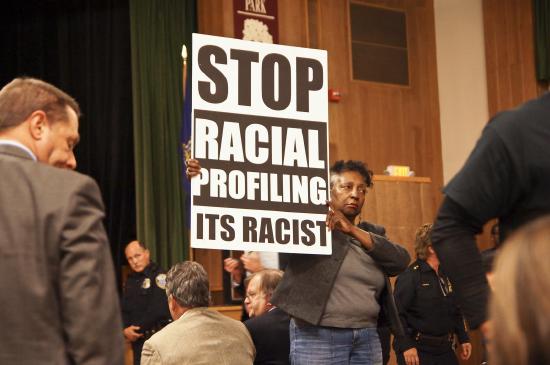
One of the main ideas in this chapter is racial profiling under police discretion. Michelle Alexander explains that racial profiling has been allowed for a long time, even when police departments say they do not use it. This was surprising but also important. The law may not openly say “stop people because of race,” but police can still use race in hidden ways. They often combine race with other reasons, such as clothing, behavior, or location. Then they claim the stop was not about race. This makes racial profiling harder to prove, but it does not make it less real.
The chapter gives an example of Black youth standing outside a high school. Police may say they stopped them because they looked like drug dealers, not because they were Black. But if a group of white youth dressed the same way would not be stopped, then race is still clearly playing a role. This example helped me understand how racial profiling works in everyday life. It often hides behind “race-neutral” words, but the outcome still targets people of color more than white people.
The chapter also explains that other factors, like prior criminal history, are not truly race-neutral either. If Black and Brown communities are heavily policed, then people in those communities are more likely to be arrested and have a record. This record then becomes another reason to target them again in the future. At the same time, a white college student who uses drugs in private may never be caught and never gets a record. This means the system keeps repeating inequality. One police stop can lead to more suspicion, more punishment, and more barriers later in life.
Another important point in the chapter is that courts often ignore patterns of racial discrimination unless an officer openly admits racist intent. That almost never happens. Police do not have to say racist words for their actions to have racist results. The reading shows that the courts have made it very hard to challenge racial profiling. This allows officers and departments to continue harmful practices while still claiming they are acting fairly.
The section on Driving While Black or Brown was very powerful. It showed clear evidence that people of color are stopped and searched at much higher rates than white people. In New Jersey and Maryland, studies found that Black and Brown drivers were stopped far more often than their share of drivers on the road. But white drivers were actually more likely to be found carrying drugs or contraband. This part stood out to me because it clearly shows the unfairness. Police target Black and Brown people more, even when whites are more likely to have illegal items.
The statistics in this section are shocking. In Florida, 80% of drivers stopped and searched were African American or Latinx, even though they made up only 5% of drivers on the road. In Illinois, Latinx drivers were heavily targeted even though they were a small part of the population and less likely than whites to carry contraband. In Oakland, African Americans were twice as likely to be stopped and three times more likely to be searched. These numbers are hard to ignore. They show a clear pattern, not isolated incidents.
The chapter also explains that even after training and new policies, racial profiling still continues. In California, Black people were still stopped far more often than white people between 2019 and 2020. In San Francisco and Los Angeles, Black people were six times more likely than whites to be stopped. In Oakland, they were over five times more likely. These numbers show that the problem is still happening today. This made me feel frustrated because it means reforms have not fully solved the issue.
One especially important finding in the chapter is that racial differences in police stops become smaller at night, when officers cannot see race as clearly. This suggests that officers’ perception of race directly influences their decisions. That is a very strong point. It shows that neighborhood or crime rates alone do not explain the disparity. Race itself matters in who gets stopped.
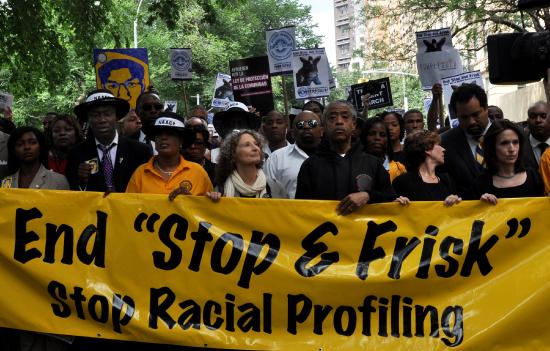
The chapter then discusses stop-and-frisk in New York City. This section was very painful to read. Stop-and-frisk allowed police to stop, question, and search people based on their own judgment. In practice, this meant Black and Latinx people were targeted again and again. Hundreds of thousands of people were stopped. Many were forced to lie on the ground, stand against walls, or be searched in public. These were humiliating experiences.
What stood out most to me is that Black people were stopped much more often than whites, but they were less likely to be found with drugs or weapons. This means the stops were not based on actual evidence. They were based on suspicion shaped by race. The purpose was said to be safety and removing guns, but the chapter explains that less than 1% of the stops found guns. That means many innocent people suffered fear, shame, and harassment for very little result.
The story of Alvin, the teenager who secretly recorded the police stop, made this issue feel very real. He was told he looked suspicious. Then he was pushed, cursed at, and threatened. This shows how police stops are not only about checking for crime. They can also be about power, domination, and humiliation. The reading compares this to older forms of racial control, where Black men were expected to act submissively in front of white authority. That comparison is strong because it shows how racial domination continues in new forms.
The chapter says stop-and-frisk became a ritual of dominance and submission for young men of color. I think this is one of the most powerful lines in the reading. It means the police stop is not just a short interaction. It teaches people who has power and who is expected to obey. It can make young people feel unsafe, disrespected, and criminalized even when they have done nothing wrong.
Another important point is that stop-and-frisk created a gateway into the criminal justice system. During these stops, police collected names, addresses, and personal information. This created databases on people who had not even been convicted of crimes. Later, this information could be used by police, prosecutors, employers, and housing officials. So even a stop without an arrest could still harm a person’s future. This shows how racial profiling can have long effects beyond the moment of the stop.
The chapter then shifts to post-9/11 racial profiling and surveillance of Arabs, South Asians, and Muslims. This section broadened my understanding of policing and racism. It shows that racial profiling does not only affect Black and Latinx communities. After 9/11, Muslims, Arabs, South Asians, and people who looked “Muslim” were targeted by law enforcement in the name of national security.
This part reminded me that fear can be used to justify injustice. After 9/11, the government passed new laws and expanded surveillance. The U.S. PATRIOT Act gave the state more power to wiretap, question, and monitor people. Many innocent individuals were detained, questioned, or deported, not because they were terrorists, but because they matched a racial or religious stereotype. The chapter makes clear that many of these actions were based on appearance, immigration status, and fear, not evidence.
The chapter explains that more than 1,000 people were detained in the months after 9/11. Many were from Muslim-majority countries, and many had nothing to do with terrorism. Some were targeted simply because they had brown skin, worked in public spaces, or resembled what officers imagined a terrorist looked like. This part of the reading was very sad. It showed how quickly an entire community can be treated as suspicious.
The reading also explains that non-Muslims, such as Sikhs and Hindus, were targeted too. This shows how ignorance and stereotypes shaped public fear. The FBI tip lines were often filled with calls based on hearsay and panic. Undocumented immigrants were especially vulnerable because they could be detained and deported more easily. This shows how race, religion, and immigration status can all work together in systems of state control.
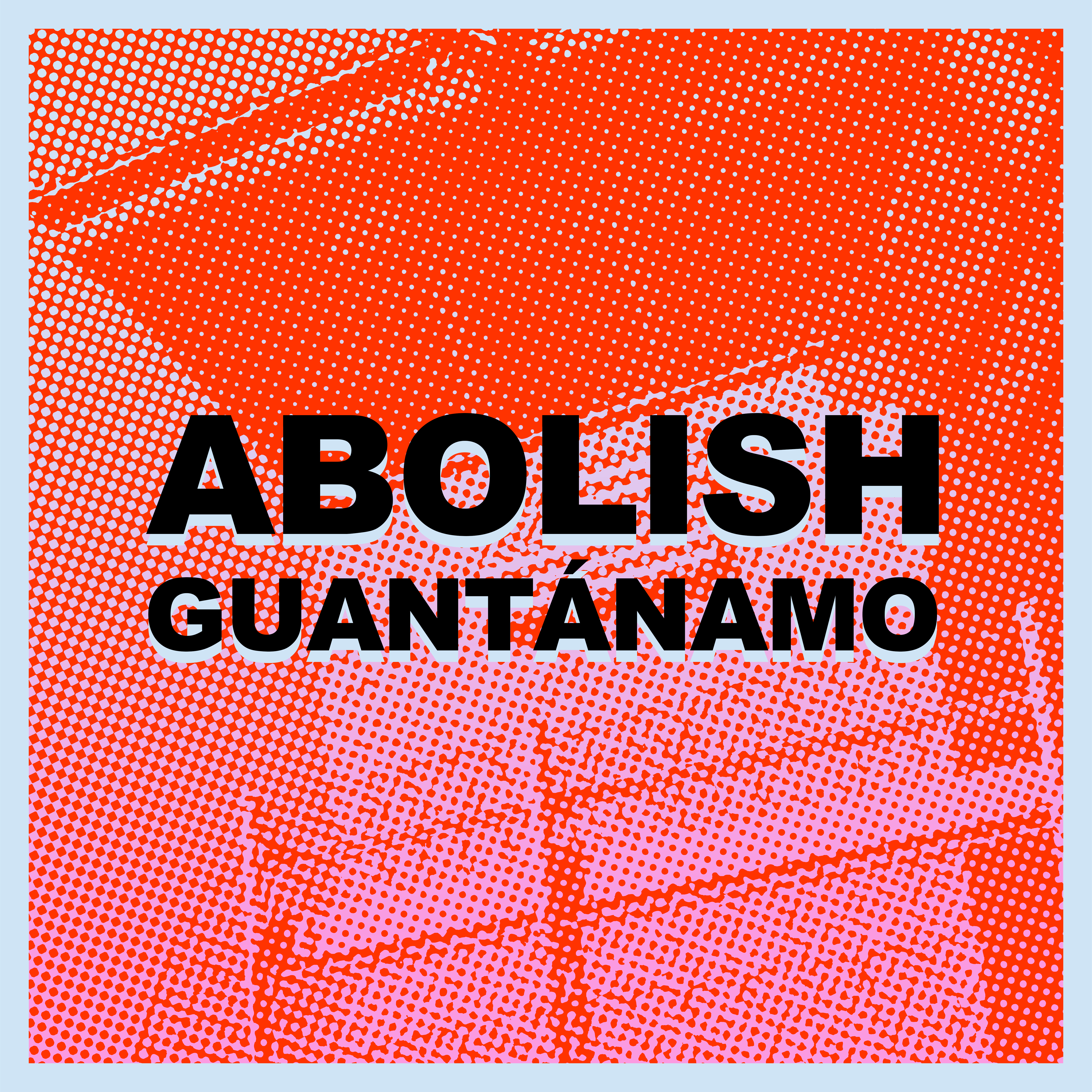
The section on the NYPD spying on Muslim communities was especially disturbing. The police secretly watched mosques, student groups, businesses, and neighborhoods. They kept records on where Muslims prayed, shopped, and worked. They even used informants in mosques and Muslim student groups. Yet the chapter says this program never produced a real terrorism lead. That means a huge surveillance system created fear and harm without real benefit.
What affected me most in this section were the words from community members. People stopped going to mosques because they feared being watched. Imams felt they could not give private guidance because they did not know who might be an informant. Students avoided Muslim groups or changed how they dressed. People became afraid to speak openly about politics or religion. This shows that surveillance does not only collect information. It changes people’s lives. It creates fear, mistrust, and silence.
I think one of the most important questions in this section is: Who is actually being kept safe? The police and politicians said these programs were for safety. But the communities being watched did not feel safe. They felt targeted and controlled. Their freedom of religion, speech, and association were harmed. This makes me think that safety is not equal for everyone. Sometimes one group’s idea of safety is built on another group’s fear.
The chapter also shows that resistance is possible. Muslim communities, civil rights groups, and advocates spoke out, filed lawsuits, and demanded change. In 2018, a settlement led to the dismantling of the NYPD surveillance unit and limits on future religious-based surveillance. This part gave some hope. It shows that organizing and speaking out can create change, even if the harm has already been done.
In conclusion, this chapter taught me that policing can be racist not only through open hatred, but through discretion, stereotypes, court decisions, and surveillance systems that target certain communities. Black and Brown drivers are stopped more often. Black and Latinx people are searched and harassed more often under stop-and-frisk. Arabs, South Asians, and Muslims have been watched and detained in the name of national security. These practices show that policing does not affect all groups equally. This reading helped me understand why many people say policing is inherently racist. It is not only about individual officers. It is about systems and rules that give race too much power in deciding who is seen as suspicious, dangerous, or deserving of control. A fair society should not make people fear being stopped, watched, or punished because of how they look, where they come from, or what they believe.


Racial Profiling under Police Discretion
Driving While Black or Brown
Post-9/11 Racial Profiling and Surveillance of Arabs, South Asians, and Muslims
(CC BY-NC-ND 3.0; Aaron Hughes via Justseeds)

No comments:
Post a Comment