3.5: Cultural and Political Representation
Reflection on “3.5: Cultural and Political Representation”
This chapter helped me understand why representation matters. It showed that culture is not “just entertainment.” Images and stories shape what people believe. They shape who is seen as valuable. They also shape what policies seem “normal.” When a group is shown in harmful ways again and again, society starts to accept those ideas. That is why cultural representation is connected to political power. It is also why stereotypes are not harmless. They can become tools that justify discrimination.
The chapter focuses a lot on Black women’s representation. It explains that race has consequences because bodies have been valued differently. Skin color becomes a symbol in society. People attach meanings to it. Those meanings affect how people are treated. The chapter also explains that some scholars argue culture is less important than economic conditions. But other scholars argue that culture still has a strong impact. I agree with this point. Culture teaches people what to expect from others. It teaches people who belongs and who does not belong. It can either challenge injustice or support it.
The chapter explains that Black women were rarely included in American and European art history. When Black women did appear, they were often connected to slavery, sexual exploitation, and service labor. This is not accidental. It reflects the history of enslavement of Black women. It also reflects how powerful groups used images to control how Black women were understood. If Black women are only shown as workers or sexual objects, then their full humanity is hidden. This invisibility harms Black women and harms society’s understanding of history.
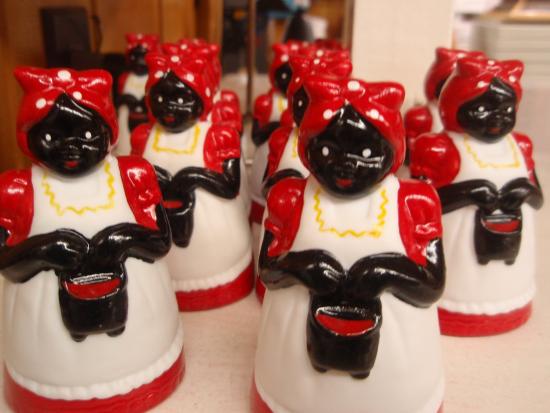
A major part of the chapter is Patricia Hill Collins’ idea of “controlling images.” These are repeated stereotypes that limit Black women into a few fixed roles. The chapter lists five controlling images: Mammy, Matriarch, Welfare Mother, Black Lady, and Jezebel/hoochie. These images are powerful because they appear in media, politics, and everyday life. They also influence how institutions treat Black women. When stereotypes shape people’s beliefs, they shape decisions in schools, hospitals, workplaces, and courts.
The Mammy stereotype is described as obedient and domestic. She is shown as loyal to white families. She is also shown as non-threatening. This image supports the idea that Black women exist to serve others. It also removes Black women’s sexuality and individuality. The Mammy is “desirable” in the white imagination because she makes Black subordination look natural. This stereotype can make exploitation look like “care” or “tradition.” It can also hide the violence and coercion that historically forced Black women into domestic labor.
The Matriarch stereotype is another harmful image. This image describes a Black woman as a strong working mother who is blamed for problems in her family. The chapter explains the “catch-22.” If Black women stay at home, they may be judged as poor and irresponsible. If they work outside the home, they are judged as absent mothers. Either way, the stereotype sets them up to lose. The chapter explains that this image shifts blame away from structural inequality. It suggests that poverty or school struggles are caused by Black mothers. It ignores discrimination, low wages, segregation, and lack of resources. This image is political because it tells society, “Do not fix the system. Blame the mother.”
The Welfare Mother stereotype is similar. It frames Black women as lazy and dependent. It also implies there is no male authority in the family, as if that is the main problem. This stereotype supports ideas about “deserving” and “undeserving” poor people. It can lead to harsh welfare rules and public judgment. It also hides the reality that Black women were historically excluded from welfare access for a long time. The stereotype is not based on truth. It is based on control. It tells the public that Black women are a burden. That message can reduce empathy and increase punishment.
The Black Lady stereotype is described as a modern professional version of Mammy. She works hard. She is middle class. She is also framed as having “no time for a man.” This stereotype can be used to criticize Black women for being too independent. It can also be used to claim “reverse racism.” Some people say Black women only get jobs because of diversity programs. This stereotype attacks Black women’s achievements. It suggests they do not deserve success. It also creates resentment. This resentment can be used to fight policies that promote equity.
The Jezebel or hoochie stereotype is the hypersexual image. It frames Black women as sexually aggressive and “deviant.” This image has a long history. It was used during slavery to justify sexual violence against Black women. If Black women are seen as “always willing,” then abusers can pretend there is no harm. In modern media, the chapter connects this stereotype to some music videos and popular culture. This image can affect real life. It can affect how Black girls are treated in school. It can affect how Black women are treated in court. It can also affect how Black women are treated by doctors and police. A stereotype becomes a lens. It shapes what people assume before they even listen.
The chapter adds that other scholars list more stereotypes too. For example, Wallace-Sanders describes images like Topsy and Sapphire, along with Mammy and Jezebel. The important point is that these images are “pathologized.” They treat Black women’s bodies as problems. They present Black women as ignorant, violent, or overly sexual. When society repeats these images, it becomes easier to dehumanize Black women. It also becomes easier to ignore their pain.
The chapter explains that stereotypes do not stay in movies or songs. They influence policy and public discourse. It gives an example of how images of Black reproduction have been used in harmful ways, including public messages that blame Black women and Black families. This part made me think about how propaganda works. When a message is repeated on billboards, news, and social media, people may start believing it without evidence. Then policies become easier to pass. Representation becomes a political weapon.
The chapter also discusses film and literature. It highlights Daughters of the Dust. This film is important because it was the first film directed by a Black woman, Julie Dash, to get a wide release. The story centers Gullah people and their traditions. It shows Black life with depth and beauty. It also focuses on women, elders, and community. The chapter explains that the film shows collectivity. Many scenes show groups of people together. It also shows relationships between the oldest and youngest. This matters because it presents Black people as full humans with culture, memory, and wisdom. It challenges stereotypes that only show suffering or violence.
The chapter also explains that the film includes conflict. Nana wants to stay on the Sea Islands, while others want to migrate North. This conflict is meaningful. It shows that Black communities are not one simple story. People have different goals. They debate. They choose. This is human. This type of representation helps viewers see Black people as complex, not as symbols. The chapter also mentions how Daughters of the Dust influenced Beyoncé’s Lemonade. This shows how Black cultural work continues across generations. Art can be a form of memory. Art can also be a form of resistance.
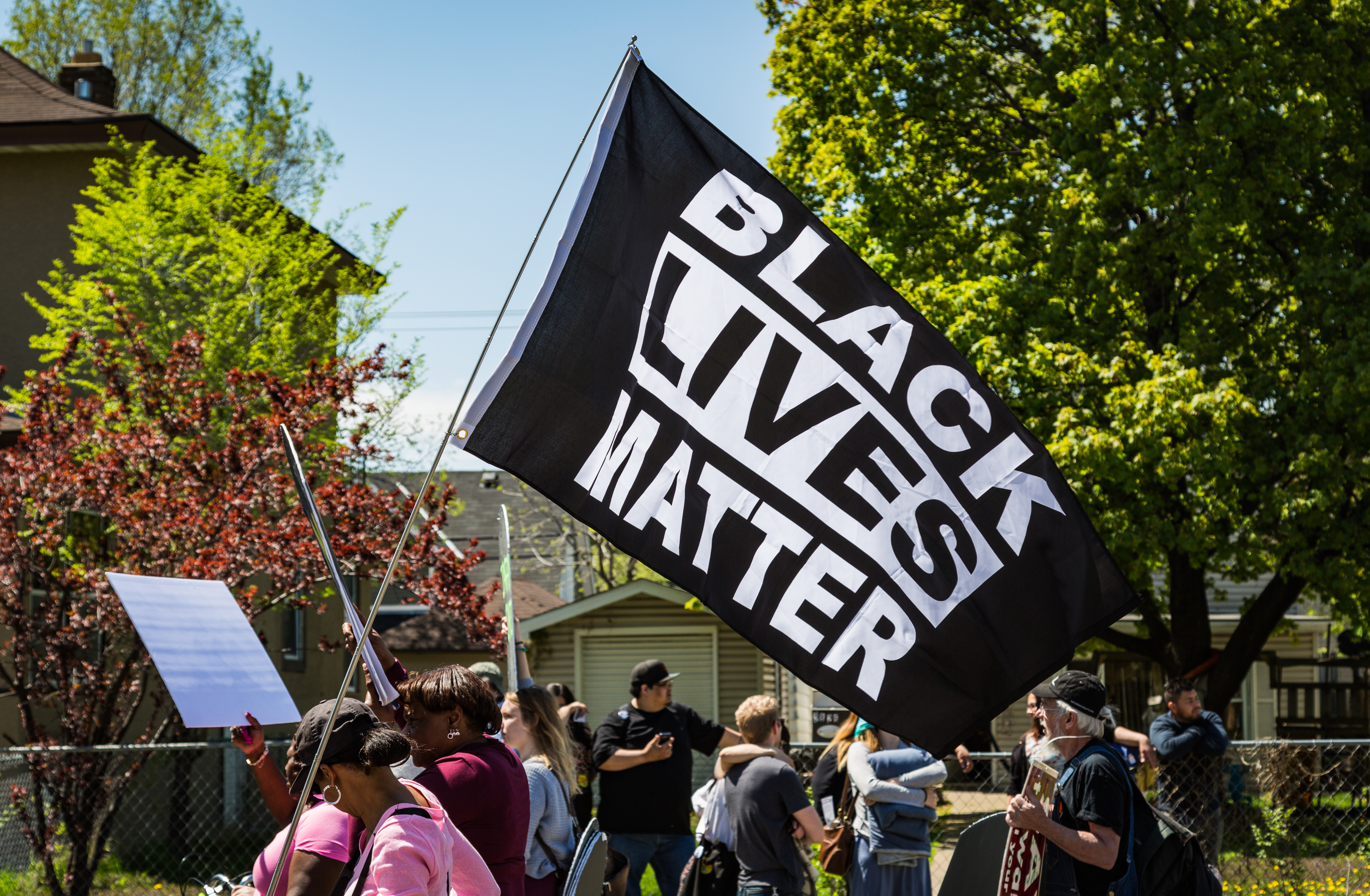
The chapter then shifts to Black liberation movements and political representation. It discusses Black Lives Matter. Alicia Garza explains that #BlackLivesMatter was created as a call to action after Trayvon Martin’s death and the lack of accountability for George Zimmerman. The chapter emphasizes that BLM was founded by queer Black women. This matters because leadership is often erased. Garza explains that when movements take the work of queer Black women but do not include them in shaping the work, that is racism and hetero-patriarchy. This part helped me understand representation inside movements too. Even movements for justice can reproduce inequality if they center only charismatic men and ignore women and queer leaders.
The chapter also introduces organizations like the African American Policy Forum (AAPF). It explains that AAPF connects academics, activists, and policy-makers to dismantle structural inequality. It centers intersectionality. It also highlights campaigns like #SayHerName, which focuses on Black girls and women impacted by police violence. This is important because media coverage often centers Black men and ignores Black women. #SayHerName challenges that invisibility. It pushes society to remember all victims and to see gendered racism clearly.
The chapter also includes Black Girls Code. This organization works for equity in STEM. It helps Black girls and girls of color learn coding through accessible and culturally relevant ways. This part reminded me that representation is also about opportunity. If young people see themselves in STEM spaces, they are more likely to believe they belong. When programs support them, they gain skills and confidence. This is representation in action. It is not only images on a screen. It is also real doors opening.
The chapter ends with Black feminism and womanism. It explains that Black feminism has a long history, even before the term existed. It mentions Sojourner Truth and Ida B. Wells as early intersectional thinkers. It also explains that in the 1960s and 1970s, Black women were often marginalized within Black liberation movements. The Combahee River Collective demanded recognition of race, gender, and sexuality together. This shows why intersectionality matters. Black women’s lives cannot be understood through only one category.
The chapter also includes key Black feminist writers. Angela Davis explains how racism and sexism connect, especially in labor and wages. Hull, Scott, and Smith argue that Black women’s studies must center sexual oppression along with race and class oppression. Audre Lorde explains how society treats difference by ignoring it, copying what is dominant, or destroying what is seen as subordinate. bell hooks warns against “lifestyle feminism” that removes politics. She says feminism must address race, class, and gender together to be real liberation.
This chapter helped me see one main truth. We are not free unless the most marginalized are free. Representation is not a small topic. It is tied to violence, policy, education, and survival. When Black women are represented through controlling images, society learns to blame them instead of systems. When Black women create their own images, stories, and movements, they create space for dignity and justice. Cultural representation and political representation work together. Both are necessary for liberation.
Works Cited
Collins, Lisa. [Work referenced in chapter], 2002.
Collins, Patricia Hill. Black Feminist Thought: Knowledge, Consciousness, and the Politics of Empowerment. 1999.
Dash, Julie, director. Daughters of the Dust. 1991.
Davis, Angela. Women, Race, and Class. 1983.
Davidson, [Work referenced in chapter], 2010.
Garza, Alicia. “A Herstory of the #BlackLivesMatter Movement.” 2014.
Gray, [Work referenced in chapter], 2005.
Hodges, Teresa. [Section source referenced in chapter], 2014.
hooks, bell. Feminism Is for Everybody: Passionate Politics. 2000.
Hull, Gloria T., Patricia Bell Scott, and Barbara Smith, editors. All the Women Are White, All the Blacks Are Men, But Some of Us Are Brave. 1982.
Kempley, Rita. Review/description of Daughters of the Dust. 1992.
Lorde, Audre. Sister Outsider: Essays and Speeches. 1984/2000 edition.
Wallace-Sanders, Kimberly. [Work referenced in chapter], 2002.
Viveros Espinoza-Kulick, Mario Alberto, and Teresa Hodges. “3.5: Cultural and Political Representation.” ASCCC Open Educational Resources Initiative (OERI), CC BY-NC 4.0.
Black Girls Code. [Organization referenced in chapter].
African American Policy Forum (AAPF). [Organization referenced in chapter].
If you want, I can also remove the bracket parts and format the Works Cited exactly the way your class prefers (because some entries in the chapter did not give full book/article titles).



Black Women’s Representation
Images and Stereotypes of Black Women in the Media
Classic Film and Literature
Black Liberation

No comments:
Post a Comment