3.3: How We Got Here- Lifting “The Veil”
Reflection on “3.3: How We Got Here – Lifting ‘The Veil’”
This reading helped me understand why Black Studies is important for understanding U.S. history and society. The chapter explains how racism shapes both lived experience and public knowledge. It uses W.E.B. Du Bois’s ideas about the “Veil” and “double consciousness” to explain the psychological and social effects of racism. It also provides historical background from pre-colonial Africa to slavery, abolition, Reconstruction, and Jim Crow. The chapter shows that racial inequality did not happen by accident. It was built through systems, laws, and ideologies that developed over time. Reading this chapter felt like learning how to “lift the veil,” meaning learning how to see the truth more clearly.
The chapter begins with Du Bois’s idea that “the problem of the 20th century is the problem of the color line.” This statement made sense to me because it connects the past to the present. Even though some laws changed, the color line still exists. The reading explains that explicit legal racism has decreased compared to earlier eras, but racial disparities still remain in many areas. The chapter also mentions modern political events and growing public division. This shows that racism is not only history. It continues in new ways. The reading helped me understand that progress does not mean racism disappears. Racism can change form and still cause harm.
Du Bois’s theory of double consciousness is one of the key ideas in this chapter. Double consciousness describes what it feels like to live in a society that treats you as a “problem.” For Du Bois, Black Americans had to view themselves in two ways at the same time. They see themselves through their own eyes, but they also see themselves through the eyes of a white society that judges them unfairly. The chapter explains that this creates psychological pressure. It is like living with an extra layer of awareness that others may not understand. This idea helped me think about how racism affects mental and emotional life, not only opportunities or money.
The “Veil” is connected to double consciousness. The Veil is like a lens or barrier created by racism. It shapes how Black people are seen and how they must navigate society. The chapter explains that even when Black people are citizens, they are not always treated as full citizens. They may still be suspected, excluded, or blamed. The Veil helps explain why it can feel like society has two different realities. One reality is what the dominant group believes about fairness and equality. The other reality is what Black people experience through discrimination and unequal treatment. Lifting the Veil means noticing these differences and telling the truth about them.
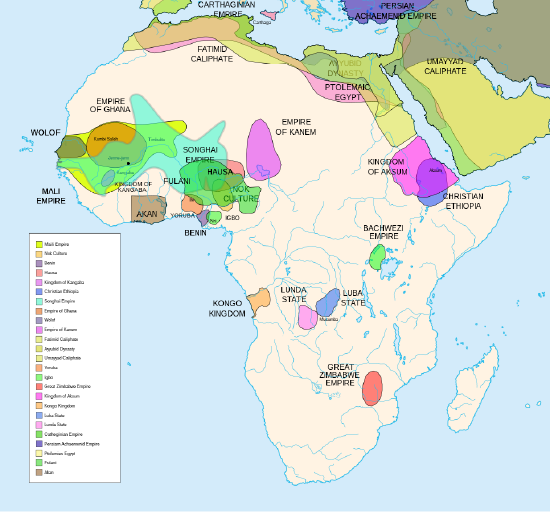
After introducing these key theories, the chapter gives historical context. It begins with pre-colonial Africa. This section was important because it challenges the false idea that Africa had no history or civilization before European contact. The chapter describes Africa as a continent with complex societies, tribal groups, and large empires and kingdoms. These societies developed tools, agriculture, trade, taxation, and political representation. This matters because racist narratives have often portrayed Africa as “primitive.” The chapter helps correct that misunderstanding. It reminds readers that Africa had long-standing systems of culture and governance.
The chapter also explains that before colonial outsiders arrived, people in Africa did not see themselves as one “African” identity the way we might think today. People identified more with their local kingdom, region, or community. This point helped me understand that racial categories like “Black” were shaped by colonialism and slavery. Identity is not only natural. Identity is also political. Over time, outside forces created new labels and power structures that pushed people into racial categories.
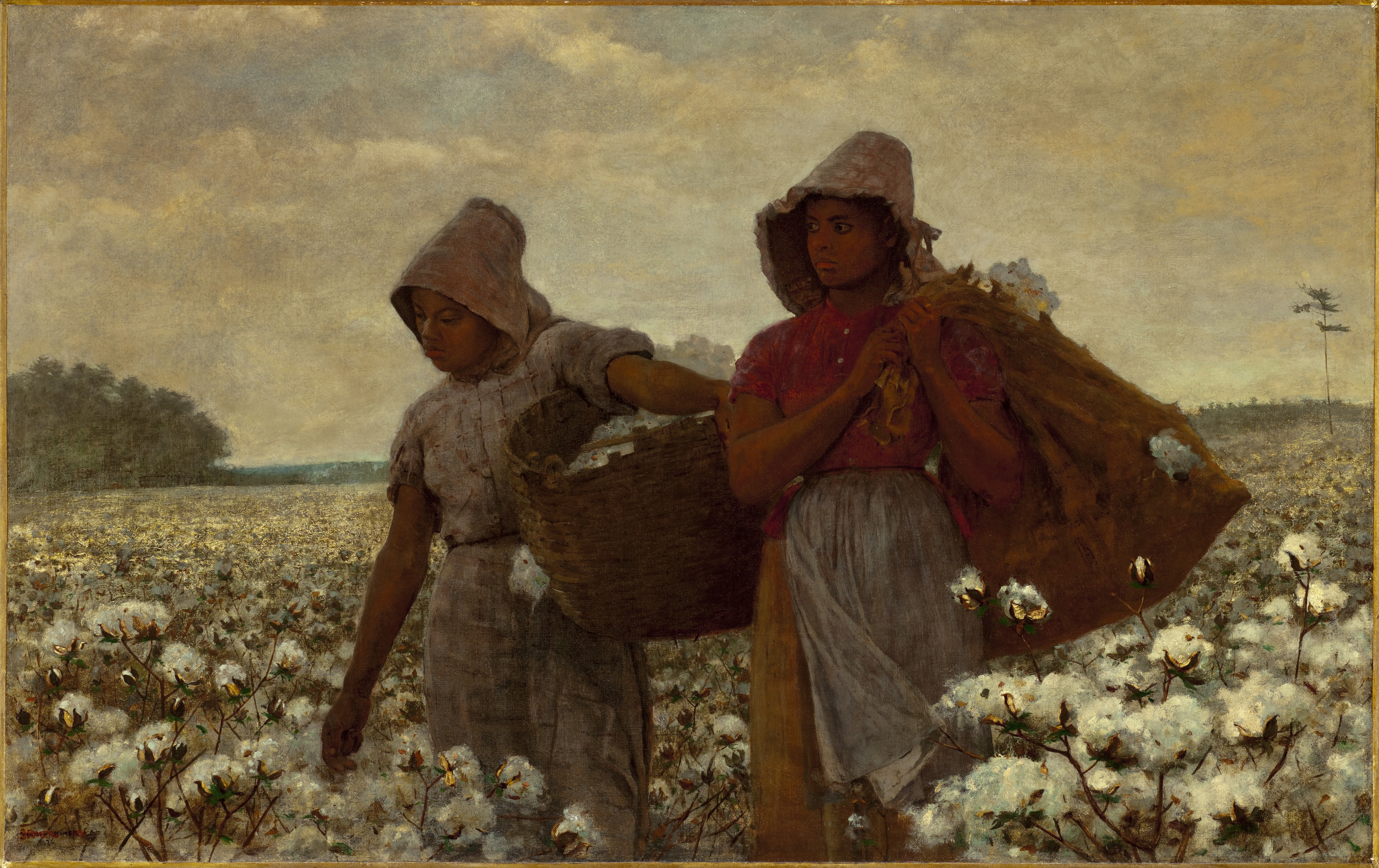
The chapter then explains how Europeans began arriving in the 15th century and how the Portuguese and others enslaved large numbers of West Africans. This leads into the section on chattel slavery and the transatlantic slave trade. The reading states that millions of African people were captured and trafficked to the western hemisphere. It explains the “Triangular Trade” system, where Europe, West Africa, and the Americas were connected through trade in goods and human beings. This system helped build wealth for Europe and European colonies. It also helped build the economy of the United States. The chapter makes clear that slavery was not only a social system. It was an economic engine. It funded industrial growth and national development.
The chapter also highlights resistance. It explains that enslaved Africans resisted on ships, through rebellions, and through self-emancipation. Some people fought back directly. Some people chose death rather than enslavement. The chapter also describes many organized rebellions and smaller acts of resistance. This section mattered to me because it shows that enslaved people were not passive. They were always human beings with agency, courage, and a will to survive. Resistance is part of the history, not a side note.
The chapter describes chattel slavery as a system where not only individuals were enslaved, but their children were enslaved too. This detail shows how slavery was designed to be permanent and self-reproducing. To maintain such a system, a racial ideology was created. Black people were defined as less than human and treated as property. The chapter explains that laws defined Black people as property and supported slave owners’ power. This helped me understand how racism became “normal” through law and culture. It was not only personal hatred. It was a structured system.
The chapter also explains how the U.S. Constitution was built around slavery. The three-fifths compromise is a key example. Enslaved people could not vote, but they were counted for representation, which increased power for slave-owning states. This shows a deep contradiction in U.S. democracy. The system used Black bodies to build political power for white elites while denying Black people rights. The chapter also mentions the Dred Scott decision, where the Supreme Court ruled that Black people were not meant to be citizens under the Constitution. This part made me realize how courts have played a major role in maintaining racial hierarchy.
One part of the chapter that stood out strongly was the “Voting Rights and Representation” sidebar. It explains that the logic of the three-fifths compromise still shows up in modern ways through the prison system. People in prison are often counted in the population for political representation, but many cannot vote. The chapter explains that they are counted where they are incarcerated, which can increase political power for communities that are not the prisoners’ home communities. This creates unfair representation. It also connects to the fact that incarceration is not evenly distributed across racial groups. This idea helped me understand how old systems can continue in new forms.
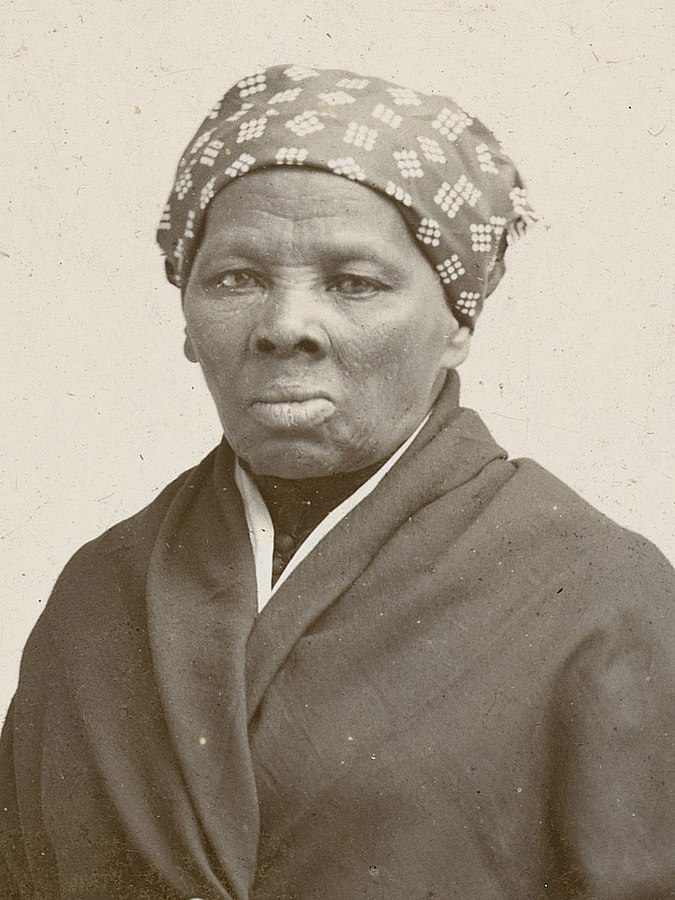
The chapter then discusses the abolition movement. It explains that resistance to slavery existed from the beginning. It also describes abolitionist leaders like Sojourner Truth, Frederick Douglass, and Harriet Tubman. Harriet Tubman’s work with the Underground Railroad is highlighted as a network of people helping enslaved people escape to places where slavery was not legal. The chapter then explains how tensions over slavery led to the Civil War, and how the Emancipation Proclamation and Union victory helped bring legal slavery to an end. The chapter also explains Juneteenth and how it commemorates the final enforcement of emancipation in Texas in 1865. This part helped me see freedom as a process, not a single date.
The chapter includes the text of the 13th Amendment, and it emphasizes a very important detail: slavery is outlawed “except as a punishment for crime.” This exception matters because it created a loophole that allowed forced labor to continue. The chapter connects this to modern prison labor and argues that it functions as a continued version of legal slavery. This idea is powerful and disturbing. It helps explain how racial control can continue even after major legal changes. It also helps explain why some scholars connect mass incarceration to the legacy of slavery.
Another section that stood out is the sidebar about attacks on historical truth, Black Studies, and the 1619 Project. The chapter explains that learning the truth about slavery and racism has been controversial in the U.S. It describes how some political movements have tried to censor discussions of race, including confusion or attacks around the term “Critical Race Theory.” The chapter explains that Critical Race Theory is an advanced legal framework, but the term is often used broadly as a target. This helped me understand that “lifting the veil” is not always welcomed. Some people feel threatened by honest history. But without honest history, society cannot address the roots of inequality.
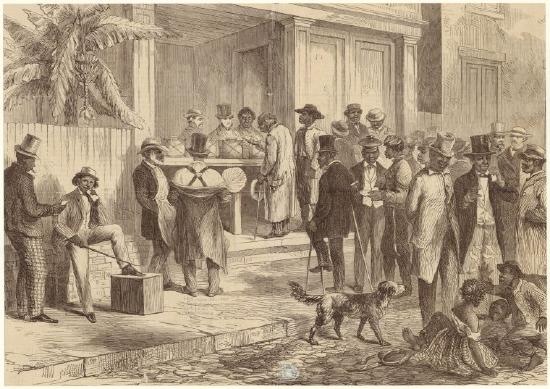
The chapter then moves into Reconstruction. Reconstruction brought major changes after the Civil War. The chapter explains that legal freedom did not erase the harms of slavery. Black communities faced deep damage from forced labor, violence, family separation, denial of education, and cultural destruction. The government created the Freedmen’s Bureau and some organizations provided education and support. Black communities built churches, schools, and businesses, and they sought political participation through voting. This section helped me see Black agency and hope during Reconstruction. It shows that Black people worked hard to build a better future despite terrible conditions.
However, the chapter explains that Reconstruction gains faced strong resistance. Black Codes were created to restrict Black people’s movement, business, property rights, and public life. Then in 1877, when federal troops left the South, Jim Crow segregation expanded quickly. The chapter explains that Jim Crow created a tiered version of citizenship. Courts supported segregation through the doctrine of “separate but equal” in Plessy v. Ferguson in 1896. This shows again how law can enforce inequality. It also shows that rights can be promised in theory and denied in practice.
The chapter also explains how race became a legal category, and how the “one drop rule” was used to classify people as Black. This shows that race is not simply biological. It is also socially enforced. Laws and customs created rules about who belonged and who did not. This helped maintain segregation and discrimination.
Finally, the chapter includes the example of Black Wall Street and the Tulsa Race Massacre of 1921. This section shows how Black success was often met with white violence. Greenwood was a thriving Black community with businesses and professional life. It was destroyed by a white mob, causing deaths, injuries, and long-term trauma. This example helped me see how oppression is not only about poverty. It is also about fear of Black prosperity. It is about protecting white power through terror.
Overall, this chapter helped me understand “lifting the veil” as a process of learning to see history and society clearly. Du Bois’s double consciousness explains how racism affects the mind and identity. The historical sections explain how racism developed through colonization, slavery, law, and violence. The chapter also shows Black resistance, survival, and community building across every era. It reminded me that the present is connected to the past. It also reminded me that education is not neutral. If we want justice, we must learn the truth, even when it is difficult. Lifting the veil is not only an academic idea. It is a responsibility.
Works Cited
Viveros Espinoza-Kulick, Mario Alberto, and Teresa Hodges. “3.3: How We Got Here – Lifting ‘The Veil’.” ASCCC Open Educational Resources Initiative (OERI), CC BY-NC 4.0.
Joseph, Tiffany, and Tanya Golash-Boza. “Double Consciousness in the 21st Century: Du Boisian Theory and the Problem of Racialized Legal Status.” Social Sciences, 2021.
Alexander, Michelle. The New Jim Crow: Mass Incarceration in the Age of Colorblindness. The New Press, 2010.
Zinn, Howard. A People’s History of the United States. (Referenced in chapter.)



The Veil and Double-Consciousness
Pre-colonial Africa
Chattel Slavery

Abolition Movement
Reconstruction

No comments:
Post a Comment