6.6: Special Topics in Chicanx and Latinx Studies
Reflection Summary on “6.6: Special Topics in Chicanx and Latinx Studies”
The reading “6.6: Special Topics in Chicanx and Latinx Studies” focuses on two major areas: healthcare perspectives and political representation. The chapter explains that Chicanx and Latinx communities have faced long histories of violence, colonization, genocide, forced assimilation, and oppression. Because of this history, the authors explain that there is deep healing needed for the body, mind, and spirit. This reading helped me understand that health is not only about personal choices. Health is shaped by culture, history, and access. The chapter also helped me understand that political representation matters because it can shape policies, healthcare access, and social equality.
The chapter begins by explaining that Chicanx and Latinx communities have experienced many harmful conditions over time. These include hazardous working conditions, environmental toxins, sterilization, and intergenerational trauma. The chapter also mentions diabetes and other health issues that are common in communities that face poverty and inequality. This section made me reflect on how health problems are not random. Many health problems come from social conditions. People cannot be healthy if they are constantly exposed to stress, violence, discrimination, or unsafe environments. This is why the chapter connects health to history. It explains that colonization and racism have long-term impacts on health.
The chapter also explains that views of health are shaped by culture. Culture is shaped by nationality, ethnicity, class, gender, sexuality, language, and disability. This is important because it shows that health is not the same for everyone. Different cultures have different beliefs about healing. Different groups also have different access to healthcare. The chapter explains that healthcare access is negatively impacted by racism, classism, undocumented status, anti-Indianness, and region. This means some communities have fewer resources and fewer opportunities for good care. The reading also connects wealth and neighborhood income to health. It explains that wealthy communities often have better hospitals and doctors. Poor communities often have fewer resources. This part of the chapter helped me understand that health inequality is connected to economic inequality.
The chapter discusses the importance of community-based clinics. It explains that these clinics have been critical for racialized ethnic communities, especially in California. This is important because many people in Chicanx and Latinx communities may not have insurance. Some people may fear going to hospitals because of immigration status. Some may not trust institutions because of past discrimination. Community clinics help fill these gaps. They offer care that is closer to the community. They can also provide culturally sensitive services. This section helped me see that healthcare is not only a hospital issue. It is also a community support issue.
The chapter invites readers to reflect on their own experiences with health and healing and also the experiences of parents and grandparents. It asks where people receive health information. This question is meaningful because it shows that healing is passed down across generations. Many people learn about health from family traditions. Many people also learn from doctors and hospitals. The chapter explains that both institutional healthcare and traditional healthcare are important. Institutional healthcare includes hospitals, physicians, medications, surgery, and psychiatric appointments. It often requires insurance. Traditional healthcare includes Indigenous ways of healing the body and soul. It includes curanderas and curanderos, parteras, ceremonies, limpias, sobadoras, and herbal remedies. This section helped me understand that traditional health is not “fake” or unimportant. It is part of culture and history. It existed long before colonization. It also requires skill and knowledge.
The chapter explains that traditional healing practices have been impacted by colonization and invasion. Many communities lost land and access to ancestral foods and medicinal plants. The chapter explains that displacement causes people to lose access to remedios and foodways. When people lose ancestral food, they often shift to processed foods. This shift can increase diabetes and other health conditions. The chapter explains that diabetes can sometimes be connected to colonial foodways. This part of the reading helped me understand that food is political. Food is not only about taste. Food is connected to land, culture, and survival. When colonization disrupts food systems, it also disrupts health.
The chapter also explains that assimilation has harmed health. It states that the longer Chicanx and Latinx communities live in the United States across generations, the higher the rates of diabetes, obesity, suicide, and substance abuse. This is a strong statement. It shows that living in the U.S. system can increase health risks for marginalized groups. It also connects to stress and discrimination. This section made me reflect on how the American lifestyle can be unhealthy. Processed food, lack of community support, and high stress can harm people. It also shows that assimilation is not always positive. Sometimes assimilation means losing protective cultural practices.
The chapter discusses a concept called the Latino Health Paradox. This idea means that recent immigrants sometimes have better health and longer life expectancy than more acculturated Latinx people and even white Americans. This is surprising because immigrants face discrimination and poverty, which usually cause worse health. But the chapter explains that immigrants may have stronger traditions of resilience and well-being. Traditional diet, more walking, and lower substance abuse can support health. This section helped me understand that culture can protect health. Community and tradition can be sources of strength. This also shows that health is not only determined by money. Lifestyle and community values matter too.
The chapter then discusses recent efforts to move away from processed foods and return to ancestral foodways. It describes this as decolonizing diets and cultivating gardens. It includes foods like corn, beans, squash, nopales, chiles, amaranth, and chia. This part of the reading is meaningful because it shows how healing can be connected to food. It also shows how cultural food can be medicine. The chapter suggests that food should be seen as part of health and healing, not just consumption. This made me reflect on how modern society often treats food as fast and cheap, not sacred. The chapter challenges that mindset.
The chapter also discusses food deserts and inequality. It explains that Chicanx and Latinx communities often have fewer stores with fresh food. Instead, they may have more alcohol and processed foods nearby. This affects families and health outcomes. The chapter also mentions farmworkers who provide food for the world but often face unsafe working conditions and lack of clean water. This section shows injustice. The people who produce food are often the ones who have the least access to healthy food and safe environments. This is a powerful contradiction.
The chapter explains that toxic pollutants used on crops and lack of clean water also harm health. It says these conditions compound health issues and create avoidable illness. The reading also mentions that groups like the United Farmworkers, the American Indian Movement, the Black Panther Party, and the South Central Los Angeles Farm raised awareness about food access and insecurity. This shows that health activism has been part of many movements. It also shows that health is connected to social justice. This section helped me understand that healing is not only personal. Healing also requires political change.
The chapter explains that traditional health frameworks recognize the connection between body, mind, and spirit. This creates space for diverse understandings of what healthy bodies look like, including fat bodies. This is important because Western medicine often defines health in narrow ways. It may focus only on weight or appearance. Traditional frameworks may focus more on balance, spirit, and community. This part of the chapter helped me reflect on how health is not only physical. Mental health and spiritual well-being matter too.
The second major part of the chapter focuses on political representation. The chapter explains that political representation can create opportunities for better policies and reforms. It also says that Latinx communities remain underrepresented in government. The chapter provides a statistic that in 2018 Latinx people were only 1% of local and federal elected officials. In 2022, the chapter says there were only four U.S. Senators and 40 U.S. Representatives who were Latinx. It also explains that Latinx women are underrepresented. This section shows that even though Latinx communities are large in population, they still lack political power. This lack of representation affects laws, education, healthcare, and immigrant rights.
The chapter mentions early leaders like Romualdo Pacheco. He was elected in 1879 and was also governor of California in 1875. The chapter explains that even in states like California, where Latinx populations are large, underrepresentation still exists. The chapter also mentions groups like the California Latino School Boards Association, which works to address representation. This shows that representation is not only federal. It also matters in local government, school boards, and city leadership. These positions shape daily life in communities.
The chapter discusses the Congressional Hispanic Caucus. It explains that this group represents the interests of Hispanic Congresspeople. It also notes that some Latinx representatives are not members because of political party divides. This shows that Latinx identity does not automatically create political unity. People may have different ideologies. This connects to earlier chapters about diversity within Latinx communities. Political representation is complex because communities are not all the same.
The chapter also discusses major milestones. It mentions that Octaviano Larrazolo was the first Latino U.S. Senator in 1928. It also mentions that there has never been a Latinx President, Vice President, or Secretary of State. It notes that Lauro Cavazos became the first Latinx Cabinet member in 1988. It also highlights Justice Sonia Sotomayor as the first Latinx Supreme Court Justice in 2009. This section shows that representation has grown, but progress has been slow. It also shows that barriers remain.
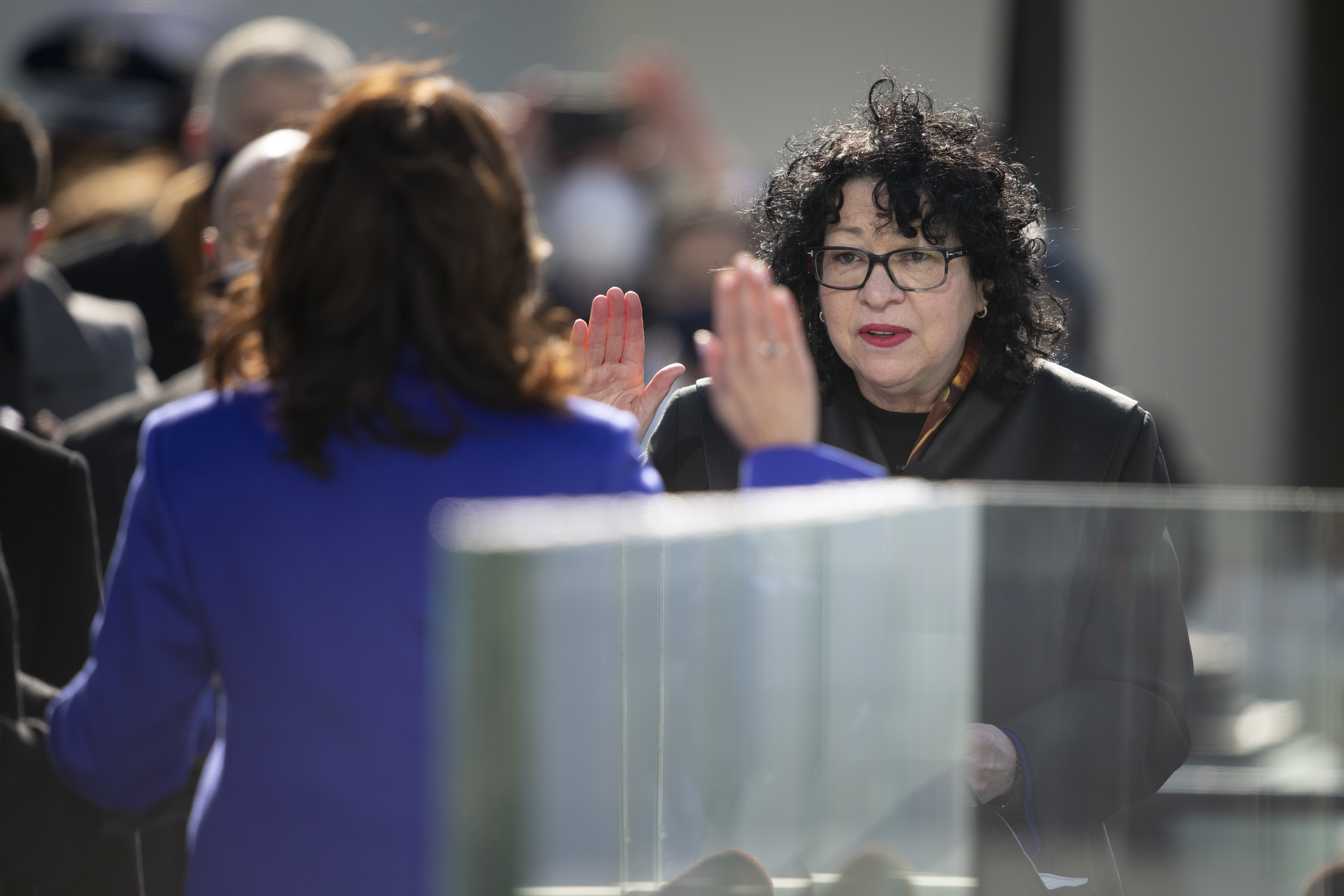
The chapter includes a figure of Sonia Sotomayor swearing in Kamala Harris as Vice President. This image is symbolic because it shows women breaking barriers. Kamala Harris is the first Black, first Asian, first multiracial, and first woman Vice President. This shows how representation can inspire future generations. It also shows that representation is connected across communities. One person’s success can create hope for others.
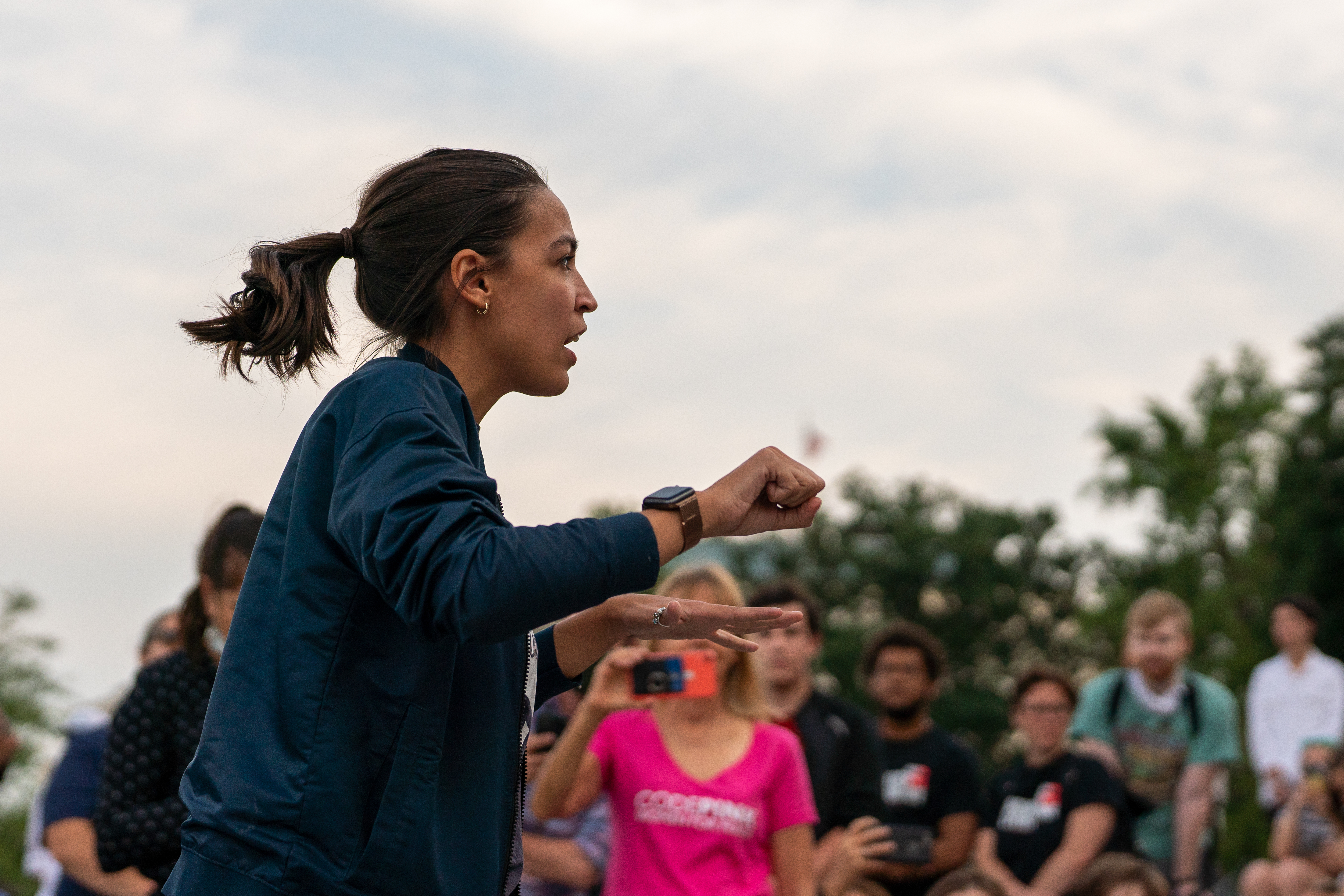
The chapter also includes a sidebar about Alexandria Ocasio-Cortez. It describes her as a major figure for Latinx representation because she openly embraces her identity as a young Latina. She also represents working-class experiences, such as bartending to pay bills. This section shows that representation is not only about ethnicity. It is also about class and authenticity. Many people connect with leaders who reflect their real experiences.
The chapter ends with a discussion of politics and liberation. It explains that some Latinx communities are disengaged from voting and formal politics. One reason is that immigrants cannot vote, which affects families. Another reason is that some people believe the U.S. system is built on exploitation and exclusion. Under this view, participation may feel like supporting a system that cannot truly change. The chapter explains that Native American and Latinx Indigenous peoples may focus on sovereignty and traditional relationships with land. This section helped me understand that political strategies differ. Some people work inside the system. Others work outside it. Both strategies exist because communities have different histories and experiences.
The chapter also discusses Puerto Rico. Puerto Rico is a U.S. territory. Puerto Ricans have responsibilities like U.S. citizens, such as paying taxes and being drafted. But they do not have equal political representation at the federal level. The chapter explains that this lack of representation has harmed Puerto Rico, especially during hurricanes and climate change. The chapter also explains that Puerto Ricans are divided about statehood or independence. This section shows how political identity can be complicated. People may share pride and community, but disagree on the best path forward.
Overall, this chapter helped me understand that Chicanx and Latinx Studies includes both health and politics because both areas shape life and survival. The chapter shows that health is shaped by colonization, racism, and economic inequality. It also shows that traditional healing practices are important and should be respected. It shows that food is part of health, and that food injustice harms communities. It also shows that political representation matters because it affects policy and access. The chapter helped me see that healing and justice are connected. Communities need both. They need care for the body, mind, and spirit. They also need power to create fair systems.
This reading made me reflect on how education can help people understand these issues. Without learning these histories, many people might blame individuals for health problems. They might also ignore why communities lack representation. This chapter shows that these are structural issues. It also shows that communities have always resisted and created solutions, such as clinics, food movements, and political advocacy. This chapter is important because it connects personal health to social justice and connects representation to liberation.
Works Cited
Viveros Espinoza-Kulick, Mario Alberto, and Ulysses Acevedo. “6.6: Special Topics in Chicanx and Latinx Studies.” Introduction to Chicanx and Latinx Studies, ASCCC Open Educational Resources Initiative (OERI), CC BY-NC 4.0.



Chicanx and Latinx Healthcare Perspectives
Traditional Health Practices and Perspectives
Political Representation of Latinx and Hispanic People
Politics and Liberation


No comments:
Post a Comment